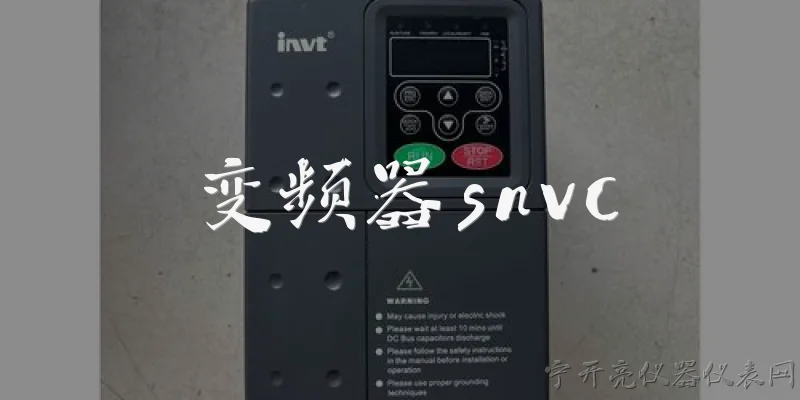
Inverter output protection:What is inverter output protection and why is it important?
Q: What is inverter output protection and why is it important?
A: Inverter output protection refers to the set of features and mechanisms designed to safeguard the inverter and connected loads from abnormal conditions on the output side. These conditions include overvoltage, undervoltage, overcurrent, short circuits, overloads, and over-temperature events. The primary purpose is to prevent damage to the inverter's power electronics, such as IGBTs and MOSFETs, while also protecting downstream equipment from harmful electrical anomalies. Without proper output protection, a fault on the load side could cause catastrophic failure of the inverter, leading to costly repairs, downtime, and potential safety hazards like fire or electric shock. Modern inverters incorporate fast-acting electronic protection circuits that continuously monitor output voltage and current. When a fault is detected, the inverter either limits current, shuts down, or disconnects the output within milliseconds. This is especially critical in renewable energy systems, motor drives, and uninterruptible power supplies, where reliability and safety are paramount. In summary, inverter output protection ensures operational continuity, extends equipment lifespan, and complies with industry safety standards such as UL 1741 and IEC 62109.
Q: What are the common types of inverter output protection schemes?
A: Inverter output protection encompasses several schemes tailored to different fault types. Overcurrent protection limits or interrupts current when it exceeds a safe threshold, often using electronic current limiting or fuses. Short-circuit protection detects near-zero impedance and rapidly disconnects the output, typically within microseconds, to prevent component destruction. Overvoltage and undervoltage protection monitor output voltage; if it deviates beyond set limits, the inverter shuts down or adjusts to prevent load damage. Overload protection handles sustained current above rated capacity, often with inverse time curves to allow temporary surges. Over-temperature protection uses sensors to reduce power or shut down if heat sinks or components exceed safe temperatures. Additionally, ground fault protection detects leakage currents to earth, while anti-islanding protection (in grid-tied inverters) disconnects from the grid during outages. Some inverters also include DC injection monitoring to prevent DC current from entering AC loads. These schemes are often integrated into a microcontroller-based protection system that coordinates responses. The choice of protection depends on the application—solar inverters prioritize arc fault and ground fault, while motor drives focus on overload and short-circuit. Together, these layers ensure robust and reliable inverter operation.
Q: How can I troubleshoot inverter output protection faults?
A: Troubleshooting inverter output protection faults requires a systematic approach. First, consult the inverter's manual or error code list to identify the specific fault—common codes include overcurrent, overvoltage, short circuit, or overload. Next, disconnect all loads and restart the inverter. If it runs normally without a load, the issue likely lies in the load or wiring. Inspect the output cables for damage, loose connections, or shorts. Use a multimeter to check for continuity, insulation resistance, and correct voltage. If the fault persists with no load, the inverter itself may be faulty, possibly due to failed output transistors or damaged protection circuitry. For repeated overcurrent trips, verify that the load does not exceed the inverter's continuous rating and that inrush currents are within limits. Overvoltage faults may indicate a problem with voltage regulation or a connected generator. Over-temperature faults suggest blocked ventilation or a failing fan. If you suspect a ground fault, use a clamp meter to measure leakage current. Always follow safety precautions: de-energize the system, wear appropriate PPE, and work with qualified personnel. If the fault cannot be resolved, contact the manufacturer or a certified technician for further diagnosis.
Words of experience
Common scenarios of "Inverter output protection"
【Engineer】 Hey, I've been noticing that our inverter sometimes shuts down unexpectedly during peak load. Could this be related to output protection?
【Technician】 Absolutely. Inverter output protection is designed to prevent damage from overcurrent, overvoltage, or short circuits. When the load exceeds the inverter's capacity, it trips to protect itself.
【Engineer】 So what exactly triggers the output protection? Is it just current, or are there other factors?
【Technician】 It monitors several parameters: output current, voltage, frequency, and temperature. If any exceeds safe limits, protection kicks in. For example, if the output current exceeds the rated value for a certain time, it shuts down.
【Engineer】 I see. Our system logs show overcurrent faults. Could that be due to inductive loads starting up?
【Technician】 Yes, inductive loads like motors have high inrush currents. That can momentarily exceed the inverter's peak current rating. Some inverters have a surge capability, but if it's too high, protection triggers.
【Engineer】 Is there a way to adjust the protection thresholds to avoid nuisance tripping?
【Technician】 Depending on the inverter model, you might be able to adjust settings like overcurrent limit or trip time. But you should be careful not to set them too high, as that could damage the inverter or connected equipment.
【Engineer】 What about overvoltage protection? How does that typically work?
【Technician】 Overvoltage protection monitors the output voltage. If it exceeds a certain threshold, the inverter shuts down to prevent damage to sensitive loads. This can happen if the grid voltage is high or if there's a sudden load rejection.
【Engineer】 We also have frequent grid voltage fluctuations. Could that cause the inverter to trip on overvoltage?
【Technician】 Definitely. If the grid voltage rises above the inverter's specified range, it will disconnect. Some inverters have a wider voltage range, but they still have limits. You might need a voltage stabilizer or a different inverter model.
【Engineer】 What about short circuit protection? How does the inverter detect that?
【Technician】 Short circuit protection typically uses current sensing. If the output current spikes suddenly and exceeds a very high threshold, the inverter shuts down immediately. Some also use ground fault detection.
【Engineer】 Are there any other protections like anti-islanding?
【Technician】 Yes, anti-islanding is required for grid-tied inverters. It detects when the grid goes down and disconnects the inverter to prevent feeding power back into the grid, which could endanger utility workers.
【Engineer】 So output protection is quite comprehensive. What maintenance or checks should we do to ensure it works properly?
【Technician】 Regularly check the inverter's error logs, test the protection functions if possible, and ensure proper ventilation to avoid overheating. Also, verify that the settings match your system requirements.
【Engineer】 Thanks, that's very helpful. I'll review our settings and consider adding soft starters for the motors.
【Technician】 You're welcome. Soft starters can indeed reduce inrush current and prevent nuisance tripping. Let me know if you need help with the settings.