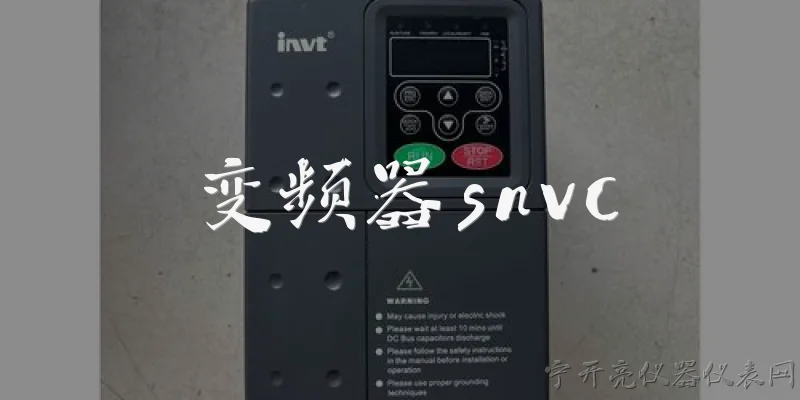
Does a gearbox need a VFD?:Does a gearbox need a VFD?
Q: Does a gearbox need a VFD?
A: No, a gearbox does not inherently need a VFD (Variable Frequency Drive). A gearbox is a mechanical device that changes speed and torque, while a VFD is an electronic device that controls an electric motor's speed. Typically, a VFD is used to control the motor, not the gearbox itself. The gearbox simply receives the motor's output and adjusts it mechanically. However, in some systems, a VFD may be used in conjunction with a gearbox to achieve variable speed control of the final output. The gearbox still functions without a VFD if the motor runs at a fixed speed. So, the need for a VFD depends on the application's requirement for speed variation, not on the gearbox itself.
Q: When would you use a VFD with a gearbox?
A: You would use a VFD with a gearbox when you need variable speed control beyond what the gearbox alone can provide. A gearbox provides a fixed speed reduction ratio, so the output speed is directly proportional to the motor's input speed. If the motor runs at a constant speed, the gearbox output is also constant. By adding a VFD, you can adjust the motor's speed electronically, thus varying the gearbox's output speed. This is useful in applications like conveyors, mixers, or extruders where process requirements change. The VFD also offers benefits such as soft starting, energy savings, and torque control. However, the gearbox must be rated for the speed range and torque Profile to avoid damage or inefficiency.
Q: Can a VFD replace a gearbox?
A: No, a VFD cannot replace a gearbox. A VFD controls the speed of an AC motor by adjusting the frequency and voltage of the power supply. However, it does not multiply torque. In fact, at low speeds, a VFD may reduce torque due to reduced cooling and constant power characteristics. A gearbox, on the other hand, mechanically multiplies torque while reducing speed. For applications requiring high torque at low speed, a gearbox is essential. A VFD alone would require a much larger and more expensive motor to achieve the same torque. Therefore, VFDs and gearboxes serve different purposes: VFDs for speed control and energy efficiency, gearboxes for torque multiplication and speed reduction. They are often used together, not as substitutes.
Q: What are the benefits of using a VFD with a gearbox?
A: Using a VFD with a gearbox offers several benefits. First, it provides precise speed control over a wide range, allowing the system to adapt to varying process demands. Second, it enables soft starting and stopping, reducing mechanical stress on the gearbox and driven equipment. Third, energy savings can be significant in applications like fans or pumps where flow is controlled by speed rather than throttling. Fourth, the VFD can protect the motor and gearbox from overloads and faults. However, careful selection is needed: the gearbox must handle the torque at all speeds, and the VFD must be compatible with the motor. Also, at very low speeds, the gearbox may need additional lubrication or cooling. Overall, the combination enhances flexibility and efficiency but adds cost and complexity.
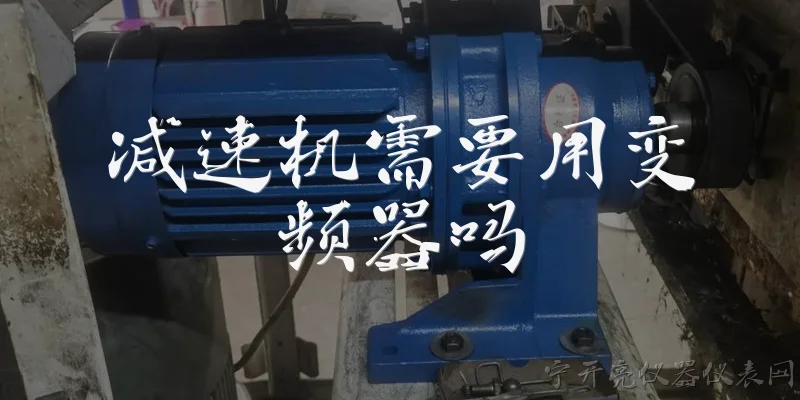
Words of experience
Common scenarios of "Does a gearbox need a VFD?"
【Engineer】 Hey, I've been wondering: does a gearbox need a VFD? I see VFDs used with motors, but gearboxes are mechanical. Can you clarify?
【Technician】 A gearbox itself doesn't need a VFD. A VFD controls the speed of an electric motor. The gearbox is just a mechanical device that changes torque and speed. So if you want to vary the output speed of a gearbox, you'd typically use a VFD on the motor driving it.
【Engineer】 So the VFD is for the motor, not the gearbox. But then why do some people say a gearbox needs a VFD?
【Technician】 It's a common misconception. People might say that when they mean the application requires variable speed, and since the gearbox is part of the drive train, they associate the VFD with it. But technically, the VFD is always on the motor side.
【Engineer】 Got it. So if I have a fixed-speed application, I don't need a VFD at all, right?
【Technician】 Exactly. If the process requires a constant output speed, you can just use a motor directly connected to the gearbox and run it across the line. No VFD needed.
【Engineer】 But what if I need to vary the speed? Then I'd put a VFD on the motor, and the gearbox will just scale that speed down or up?
【Technician】 Yes, that's correct. The VFD changes the motor's speed, and the gearbox multiplies that speed by its gear ratio. So the output speed of the gearbox will vary accordingly.
【Engineer】 Are there any situations where a VFD could harm a gearbox?
【Technician】 Yes, if the VFD allows the motor to run at very low speeds, the gearbox might not get proper lubrication. Some gearboxes rely on splash lubrication, which needs a certain speed to work effectively. Also, torque characteristics can change, potentially causing excessive wear.
【Engineer】 So I need to check the gearbox's minimum speed and lubrication method if I plan to use a VFD.
【Technician】 Absolutely. Always consult the gearbox manufacturer. They can tell you the allowable speed range and whether an auxiliary lubrication system is needed for low-speed operation.
【Engineer】 What about starting torque? A VFD can provide high starting torque, which might be good for the gearbox?
【Technician】 It can be good, but you have to ensure the gearbox is rated for that torque. If the VFD provides more torque than the gearbox can handle, you could damage gears or bearings. So you need to match the VFD settings to the gearbox's torque rating.
【Engineer】 Makes sense. So the gearbox doesn't need a VFD, but the system might need one for speed control. And when using a VFD, I must consider the gearbox's limitations.
【Technician】 Exactly. The VFD is a motor control device, but it affects the entire drive train, including the gearbox. So it's important to design the system as a whole.
【Engineer】 Are there other alternatives to a VFD for speed control? Like mechanical variable speed drives?
【Technician】 Yes, there are mechanical variable speed drives, but they are less common now. VFDs are more efficient and flexible. However, for some heavy-duty applications, a VFD with a gearbox is still the best choice.
【Engineer】 So in summary: a gearbox doesn't need a VFD, but if you need variable speed, you use a VFD on the motor, and you must ensure compatibility with the gearbox.
【Technician】 That's a perfect summary. Always consider the entire system and consult manufacturers for specific guidelines.