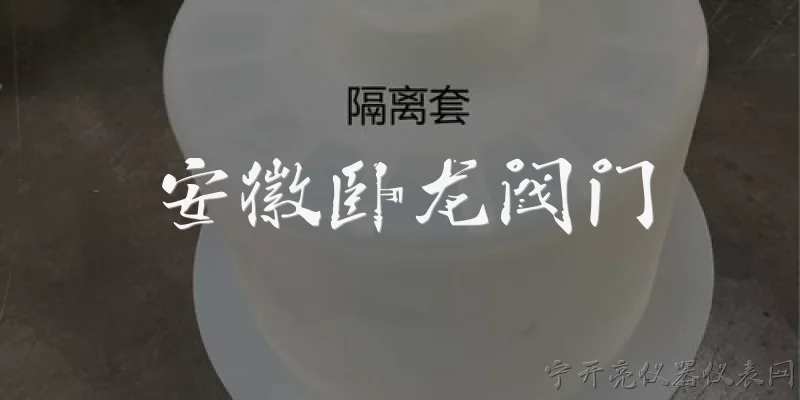
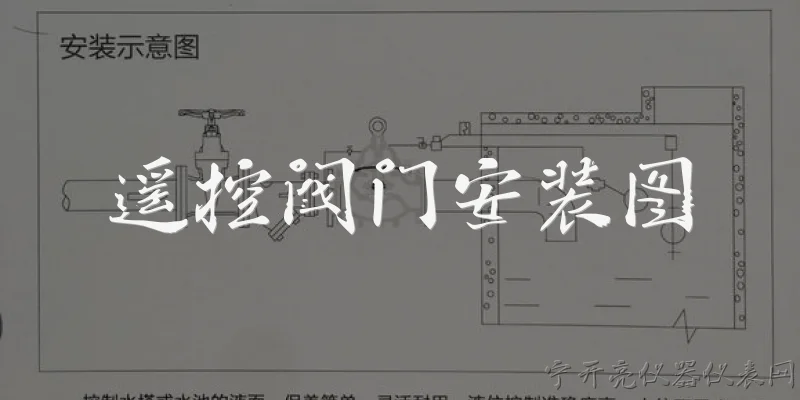
Valve adapter sleeve:What is a valve adapter sleeve and what is its primary function?
Q: What is a valve adapter sleeve and what is its primary function?
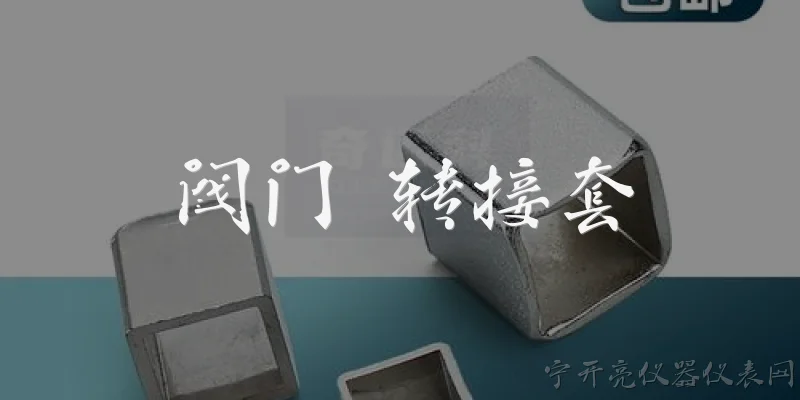
A: A valve adapter sleeve is a mechanical component designed to connect a valve to a pipe, fitting, or another component when their sizes, threads, or connection types do not match directly. Its primary function is to act as an interface or transition piece, enabling compatibility between mismatched parts. Typically cylindrical in shape, the sleeve slides over or threads onto a valve stem, bonnet, or outlet, providing a secure and often sealed connection. In industrial and plumbing applications, these sleeves help simplify installation by avoiding the need to replace entire valve assemblies or piping runs. They can be made from materials such as brass, stainless steel, PVC, or bronze, depending on the application's pressure, temperature, and corrosion requirements. By bridging dimensional or threading differences, valve adapter sleeves improve versatility, reduce costs, and maintain system integrity in fluid control systems.
Q: What types of valve adapter sleeves are commonly available and how do they differ?
A: Valve adapter sleeves come in several types to suit different connection needs. Threaded sleeves feature internal or external threads to connect NPT, BSP, or metric-threaded components, commonly used in plumbing and pneumatic systems. Compression sleeves create a seal by compressing against a ferrule, ideal for tubing connections without soldering. Flanged adapter sleeves bolt between flanged valve and pipe ends, suited for high-pressure industrial systems. Slip-on or socket sleeves are bonded or welded over pipe ends for permanent joints. Reducing sleeves step down or up between different diameters, while extension sleeves add length to reach valves in tight spaces. Material choice—such as brass, stainless steel, PVC, or PTFE—also varies by application. The key differences lie in connection method, pressure rating, sealing mechanism, and material compatibility, so selecting the right type depends on the specific valve, piping standard, and operating conditions.
Q: How do you select the correct valve adapter sleeve for a specific application?
A: Selecting the right valve adapter sleeve requires matching several key specifications. First, confirm the valve connection type and size (thread standard, diameter, flange pattern) and the mating pipe or component dimensions. Choose a sleeve that bridges these exactly, whether through threading, compression, or flanging. Next, verify the pressure and temperature ratings meet or exceed system requirements, since undersized sleeves can fail. Material compatibility is critical: use brass for water and air, stainless steel for corrosive or high-temperature media, PVC for low-pressure chemical lines, and PTFE for extreme chemical resistance. Consider the sealing method and whether an O-ring, gasket, or thread sealant is needed. Also check installation constraints, such as available space and whether the sleeve must be removable or permanent. Finally, confirm compliance with relevant standards (e.g., ASME, DIN, ISO) and consult the valve manufacturer's recommendations to ensure a safe, leak-free fit.
Q: What are common installation mistakes and maintenance tips for valve adapter sleeves?
A: Common installation mistakes include using the wrong thread sealant, over-tightening (which can crack the sleeve or damage threads), and failing to align components properly, leading to cross-threading or leaks. Installing a sleeve with mismatched pressure ratings or incompatible materials can cause premature failure, especially in corrosive or high-temperature service. To avoid these issues, clean threads before assembly, apply appropriate sealant or tape sparingly, and tighten to the manufacturer's torque specification. For maintenance, periodically inspect sleeves for corrosion, cracks, or loosening, particularly in high-vibration or thermal-cycling systems. Replace any sleeve showing wear rather than attempting repairs. Use compatible lubricants on threaded connections to ease future disassembly. Keep spare sleeves on hand for critical systems, and document sizes and materials for easy replacement. Following these practices ensures reliable sealing, extends service life, and prevents costly downtime or safety hazards in fluid control systems.
Words of experience
Common scenarios of "Valve adapter sleeve"
【Technical Sales Engineer】 Good morning, thank you for joining the call. I understand you're interested in our valve adapter sleeves for your pipeline project. How can I assist you today?
【Procurement Manager】 Good morning. Yes, we're looking to source valve adapter sleeves for a new gas distribution network. We need them to be compatible with our existing valves. Can you provide some specifications?
【Technical Sales Engineer】 Absolutely. Our standard adapter sleeves are made from high-grade stainless steel, suitable for pressures up to 100 bar. They come in sizes from 1/2 inch to 4 inches. What are the specifications of your valves?
【Procurement Manager】 Our valves are mostly 2-inch and 3-inch, with a pressure rating of 80 bar. We require corrosion resistance due to the environment. Do your sleeves meet NACE MR0175 standards?
【Technical Sales Engineer】 Yes, we offer versions that comply with NACE MR0175 for sour service. For 2-inch and 3-inch sizes, we can provide sleeves in duplex stainless steel, which offers excellent corrosion resistance. Would you like a detailed datasheet?
【Procurement Manager】 That would be helpful. Also, what about the connection type? Our valves have flanged ends. Can the sleeves be flanged as well?
【Technical Sales Engineer】 Certainly. Our adapter sleeves can be supplied with flanged ends to match ASME B16.5 standards. We can customize the flange drilling to match your valve flanges. Do you have a specific flange standard?
【Procurement Manager】 We use ASME B16.5 Class 150 flanges. Can you confirm the material certification and testing procedures?
【Technical Sales Engineer】 We provide material certificates according to EN 10204 3.1. Each sleeve undergoes hydrostatic testing at 1.5 times the rated pressure and dimensional inspection. We can also arrange third-party inspection if required.
【Procurement Manager】 That sounds good. What is the lead time for an order of, say, 200 units mixed between 2-inch and 3-inch sizes?
【Technical Sales Engineer】 For 200 units, our standard lead time is 6-8 weeks after receipt of a purchase order and approval of drawings. If you need them sooner, we can discuss expedited options.
【Procurement Manager】 We might need them within 4 weeks. Is that possible with an expedite fee?
【Technical Sales Engineer】 We can prioritize your order and potentially reduce lead time to 4 weeks, subject to material availability. I'll check with our production team and get back to you with a firm quote.
【Procurement Manager】 Please do. Also, can you provide a price estimate for the 200 units, including the expedite fee?
【Technical Sales Engineer】 I'll prepare a quotation with both standard and expedited pricing. For the 2-inch sleeves, the unit price is around $120, and for 3-inch, $180. The expedite fee would be an additional 15%. I'll send the formal quote by end of day.
【Procurement Manager】 That seems reasonable. We'll await the quote. One more thing: what is your warranty policy?
【Technical Sales Engineer】 We offer a 12-month warranty from the date of delivery covering manufacturing defects. We also provide technical support for installation and commissioning.
【Procurement Manager】 Great. We'll review the quote and get back to you. Thank you for your time.
【Technical Sales Engineer】 Thank you. I'll send the quote and datasheets shortly. Please don't hesitate to contact me if you have any questions.
【Procurement Manager】 Will do. Goodbye.