Explosion-proof audio system:What is an explosion-proof audio system and where is it required?
Q: What is an explosion-proof audio system and where is it required?
A: An explosion-proof audio system is a communication and public address solution engineered to operate safely in hazardous areas where flammable gases, vapors, or combustible dusts may be present. It prevents internal sparks or heat from igniting the surrounding atmosphere through flameproof enclosures and intrinsic safety barriers. According to the National Fire Protection Association (NFPA) 70, National Electrical Code (NEC) Articles 500-516, and IEC 60079 series standards, such systems are mandatory in oil refineries, chemical plants, grain handling facilities, and offshore platforms. They are also required for emergency evacuation and alarm signaling under OSHA 29 CFR 1910.165.
Q: How do explosion-proof audio systems differ from standard industrial intercoms?
A: Explosion-proof audio systems differ from standard industrial intercoms primarily in their enclosure design and certification. Standard intercoms may resist dust or water but are not designed to contain an internal explosion. Explosion-proof units use flameproof (Ex d) or intrinsically safe (Ex ia/ib) protection, as specified in IEC 60079-0 and IEC 60079-1. They also undergo rigorous testing for impact, ingress protection, and temperature class, per UL 1203 and FM 3615. The audio components, wiring, and power supplies are all rated for the hazardous location. As a result, they are heavier, more expensive, and require specialized installation, but they ensure life safety in volatile environments.
Q: What certifications should I look for in an explosion-proof audio system?
A: When selecting an explosion-proof audio system, look for certifications that match your region and hazard classification. In North America, UL 1203 (Explosionproof and Dust-Ignitionproof Electrical Equipment) and FM 3615 (Explosionproof Electrical Equipment) are key. For international use, IECEx and ATEX (Directive 2014/34/EU) certifications are essential. The system must have a marked temperature class (T1-T6) and equipment group (I for mining, II for surface industries). Also check ingress protection (IP) ratings per IEC 60529. According to OSHA 29 CFR 1910.307, only listed or labeled equipment for the specific class and division may be used. Always verify the certificate is current and issued by a recognized testing laboratory.
Q: What are the key installation requirements for explosion-proof audio systems?
A: Installation of explosion-proof audio systems must follow strict codes to maintain certification. The NEC (NFPA 70) Articles 500-516 and OSHA 29 CFR 1910.307 require that conduits, seals, and fittings be rated for the hazardous location. Sealing fittings must be placed within 18 inches of enclosures to prevent gas migration. Wiring methods include threaded rigid metal conduit or Type MI cable. All connections must be wrench-tight, and unused openings must be closed with listed plugs. The system should be bonded and grounded per NEC Article 250. Regular inspections are mandated by NFPA 70B and OSHA 1910.335. Additionally, only trained personnel should perform maintenance, and the equipment must not be modified in ways that void its listing.
Q: What are typical applications for explosion-proof audio systems in industry?
A: Explosion-proof audio systems are typically used in industries where flammable atmospheres can occur. Common applications include oil and gas refineries, petrochemical plants, offshore drilling rigs, and pipeline compressor stations. They are also found in coal mines (Group I equipment), grain elevators, and pharmaceutical facilities handling combustible dusts. These systems provide emergency evacuation alarms, public address, and two-way radio communication. According to the International Society of Automation (ISA) standard ISA-12.12.01, such systems are critical for life safety and operational continuity. The U.S. Chemical Safety Board (CSB) has cited effective communication as a key factor in preventing escalation during hazardous releases, underscoring the importance of reliable explosion-proof audio.
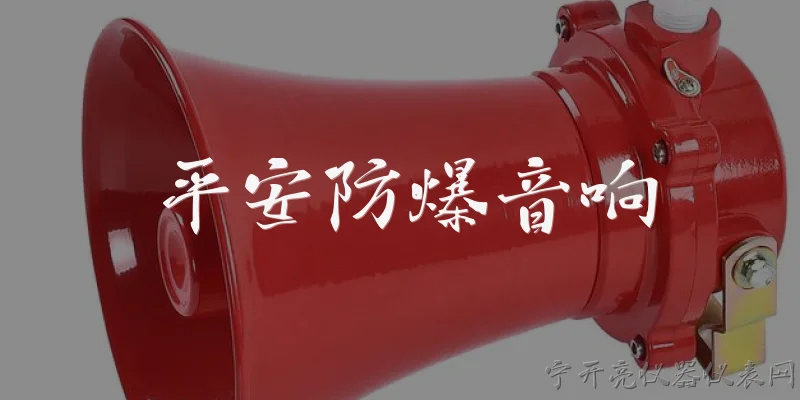
Dialogue about
Common scenarios of "Explosion-proof audio system"
【Safety Engineer】 Good morning, everyone. We're here to discuss the explosion-proof audio system for our new chemical plant. As you know, safety is our top priority. Can you explain what exactly an explosion-proof audio system is and why it's necessary?
【Audio System Specialist】 Absolutely. An explosion-proof audio system is designed to prevent ignition of flammable gases, vapors, or dust in hazardous environments. It uses enclosures that contain any spark or explosion internally, so it doesn't ignite the surrounding atmosphere. In a chemical plant, where volatile substances are present, standard audio equipment could be a serious hazard.
【Project Manager】 That makes sense. But how does this differ from a regular PA system? We already have a standard PA system in the office area. Can't we just extend that?
【Audio System Specialist】 No, standard PA systems are not designed for hazardous areas. They lack the necessary enclosures and certifications. Explosion-proof systems are built with heavy-duty materials, sealed to prevent ingress of gases, and are certified by standards like ATEX or IECEx. They also often have redundant components to ensure reliability during emergencies.
【Safety Engineer】 What about the installation? Are there specific requirements for wiring and conduit?
【Audio System Specialist】 Yes, installation must follow strict guidelines. Wiring must be in rigid metal conduit or use explosion-proof cables. All connections must be sealed, and the system must be properly grounded. We'll need to work with electricians certified for hazardous locations.
【Project Manager】 That sounds complex and potentially costly. Can you give us a rough estimate of the cost compared to a standard system?
【Audio System Specialist】 Explosion-proof equipment can be 3 to 5 times more expensive than standard equipment. Installation costs are also higher due to specialized labor and materials. However, the cost of not having it could be catastrophic—both in human life and financial liability.
【Safety Engineer】 I agree. We can't compromise on safety. But we also need to ensure the system is effective. What features should we look for in an explosion-proof audio system?
【Audio System Specialist】 Key features include high intelligibility for voice alarms, backup power, and integration with other safety systems like fire detection. The speakers should be horn-type for high output in noisy environments. Also, consider a system that allows for zone paging and emergency announcements.
【Project Manager】 How about maintenance? Do these systems require special upkeep?
【Audio System Specialist】 Yes, regular inspections are crucial. We need to check for corrosion, seal integrity, and functionality. Maintenance should be performed by trained personnel. We'll also need to keep spare parts on hand, as some components may have long lead times.
【Safety Engineer】 What about regulatory compliance? Which certifications are required in our region?
【Audio System Specialist】 In our region, ATEX certification is required for equipment used in explosive atmospheres. Also, the system must comply with local fire codes and OSHA regulations. I recommend we hire a consultant to ensure we meet all requirements.
【Project Manager】 Okay, let's assume we proceed. What's the timeline for procurement and installation?
【Audio System Specialist】 Procurement can take 8-12 weeks due to the specialized nature of the equipment. Installation and commissioning will take another 4-6 weeks, depending on the plant's layout. We should start the process early to avoid delays in the plant startup.
【Safety Engineer】 We should also consider training. The staff needs to know how to use the system during an emergency.
【Audio System Specialist】 Absolutely. I'll provide training sessions for operators and maintenance crews. We'll cover operation, emergency procedures, and basic troubleshooting.
【Project Manager】 Alright, I'll take this back to the management for approval. Can you prepare a detailed proposal with specifications, costs, and timeline?
【Audio System Specialist】 Certainly. I'll have it ready by next week. Thank you for prioritizing safety.