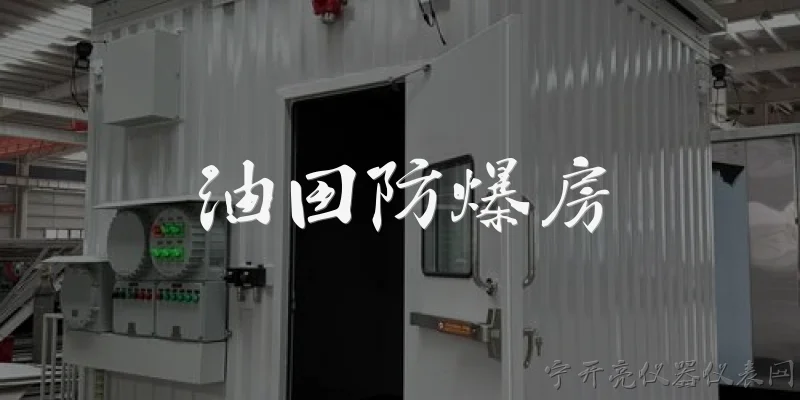
Oilfield explosion-proof room:What is an oilfield explosion-proof room?
Q: What is an oilfield explosion-proof room?
A: An oilfield explosion-proof room is a specially designed enclosure used in oil and gas extraction sites to house electrical equipment, control systems, or personnel in areas where flammable gases, vapors, or combustible dust may be present. These rooms are constructed with reinforced walls, explosion-proof lighting, and positive pressure ventilation to prevent external ignitable substances from entering. They comply with strict standards such as ATEX or IECEx, ensuring that any internal spark or explosion is contained and does not ignite the surrounding hazardous atmosphere. Such rooms are critical for maintaining safety and operational continuity in volatile oilfield environments.
Q: Why are explosion-proof rooms necessary in oilfields?
A: Oilfields often release flammable hydrocarbons like methane and hydrogen sulfide, which can form explosive atmospheres. A single spark from electrical equipment can trigger a catastrophic explosion. Explosion-proof rooms isolate potential ignition sources—such as control panels, motors, and analyzers—from the hazardous area. They also protect workers during emergency operations. By using flameproof enclosures, intrinsically safe circuits, and overpressure systems, these rooms prevent internal explosions from escaping and external gases from entering. Regulations like NFPA 496 and API RP 500 mandate their use in classified locations, making them essential for life safety and asset protection.
Q: What are the key design features of an oilfield explosion-proof room?
A: Key design features include explosion-proof walls and doors rated to withstand internal overpressure, positive pressure ventilation with automatic shutdown if pressure drops, and airlocks to prevent gas ingress. Electrical components must be flameproof or intrinsically safe, with sealed conduits and explosion-proof fittings. The room often has gas detection systems that trigger alarms and shutdowns. Temperature control is crucial to avoid overheating. Additionally, grounding and bonding eliminate static electricity. Windows, if present, use laminated or wired glass. All materials must resist corrosion from H2S and saltwater. These features ensure the room maintains a safe internal environment even in a hazardous oilfield atmosphere.
Q: How does positive pressure ventilation work in an explosion-proof room?
A: Positive pressure ventilation maintains a higher air pressure inside the explosion-proof room than outside, preventing flammable gases from infiltrating through cracks or openings. A dedicated blower supplies clean air, often filtered and cooled, while a pressure sensor monitors differential pressure. If pressure drops below a set threshold, an alarm triggers and electrical equipment is de-energized to prevent ignition. The system includes redundant fans and backup power. Air locks or vestibules allow personnel entry without losing pressure. Exhaust vents are designed to prevent backflow. This method, compliant with NFPA 496, is widely used in oilfields because it reliably keeps hazardous atmospheres out without needing every device to be explosion-proof.
Q: What maintenance and inspection requirements apply to oilfield explosion-proof rooms?
A: Regular maintenance is critical to ensure explosion-proof rooms remain effective. Inspections should check door seals, pressure gauges, ventilation fans, and gas detectors monthly. Quarterly tests verify that pressure switches and alarms function correctly. Annually, a certified technician should inspect flameproof enclosures, conduit seals, and grounding systems for corrosion or damage. Any breach in the room's integrity—such as a torn gasket or clogged vent—must be repaired immediately. Documentation of all checks is required by safety regulations. Additionally, personnel must be trained to recognize warning signs like pressure loss or gas odors. Neglecting maintenance can lead to catastrophic failures, so a strict preventive maintenance schedule is mandatory.
Words of experience
Common scenarios of "Oilfield explosion-proof room"
【Safety Engineer】 Morning, team. We need to finalize the design specs for the new oilfield explosion-proof control room. Any updates from the site survey?
【Project Manager】 Good morning. The site survey is complete. We've identified the hazardous area classification: Zone 1 and Zone 2. So we need equipment rated for those zones.
【Electrical Engineer】 Right. For Zone 1, we'll need explosion-proof enclosures with ATEX or IECEx certification. Also, all wiring must be in rigid metal conduits with sealing fittings.
【Safety Engineer】 Absolutely. And we must ensure proper ventilation and pressurization to prevent gas accumulation. What about the HVAC system?
【HVAC Specialist】 I recommend a positive pressure system with redundant fans. The room should maintain a pressure of at least 0.1 inches of water column above the outside hazardous area.
【Project Manager】 That sounds good. But we also need to consider emergency shutdown and gas detection. Let's integrate those into the design.
【Instrumentation Engineer】 I can spec gas detectors with dual sensors (LFL and toxic gas). They should trigger alarms and automatically shut down power to non-essential equipment.
【Safety Engineer】 Yes, and the shutdown system must be fail-safe. We'll use SIL-rated components. Also, the room should have an uninterruptible power supply for critical controls.
【Electrical Engineer】 For lighting, we'll use explosion-proof LED fixtures. All switches and receptacles must be rated for the hazardous area.
【Project Manager】 What about the structural design? Should the room be prefabricated or built on-site?
【Civil Engineer】 Prefabricated is faster and ensures quality control. We can build it as a modular unit with fire-resistant materials and blast-resistant walls.
【Safety Engineer】 Blast resistance is crucial. We should follow API RP 752 and 753 for siting and structural integrity. Also, include blast relief panels if needed.
【HVAC Specialist】 I'll also add fire dampers and gas-tight dampers to prevent ingress of hazardous gases. The HVAC controls should be interlocked with the gas detection system.
【Instrumentation Engineer】 I'll ensure the control system is redundant and has remote monitoring capabilities. We can use a PLC with SIL 3 rating.
【Project Manager】 Great. Now, what about personnel safety? We need emergency lighting, exit signs, and a safe haven.
【Safety Engineer】 Yes, the room should have an emergency egress route with positive pressure maintained. Also, provide breathing air lines and escape masks for occupants.
【Electrical Engineer】 We'll also need surge protection and grounding systems to prevent static electricity. All equipment must be bonded and grounded.
【Civil Engineer】 I'll incorporate a concrete foundation with grounding grids. The room should be elevated to avoid flooding and have a sloped roof for drainage.
【Project Manager】 Let's compile all these requirements into a final design document. We'll need to review with the client and get approvals.
【Safety Engineer】 Agreed. I'll draft the safety compliance checklist. We must also schedule a third-party inspection before commissioning.