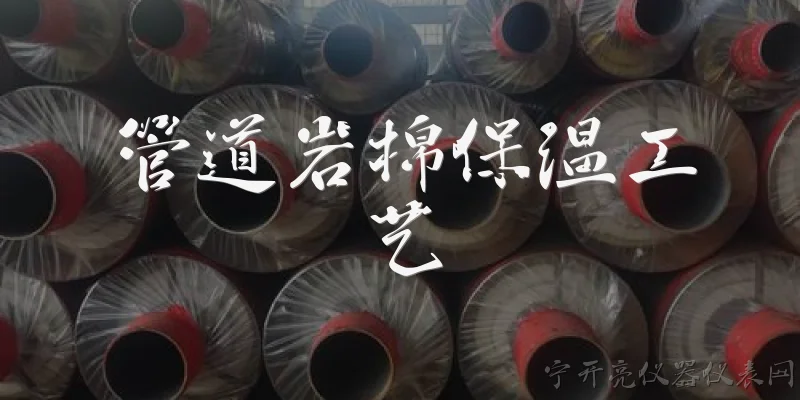
Pipe Rock Wool Insulation Process:What is the pipe rock wool insulation process and how does it work?
Q: What is the pipe rock wool insulation process and how does it work?
A: The pipe rock wool insulation process is a method of thermally and acoustically insulating pipes using pre-formed cylindrical shells made from molten rock or slag spun into fibers. The process begins with measuring the pipe's outer diameter, temperature range, and environmental conditions to select the correct rock wool density and thickness. Next, the pipe surface is cleaned and inspected, and a vapor barrier or protective coating may be applied if moisture control is required. Pre-split rock wool pipe sections are then snapped around the pipe, with seams staggered and tightly butted to eliminate thermal bridges. The insulation is secured using stainless steel bands, wire, or an adhesive, depending on the application. For high-temperature lines, expansion joints and proper allowances are incorporated to accommodate thermal movement. Finally, a protective jacket such as aluminum cladding, ASJ, or PVC is installed to shield the rock wool from moisture, chemicals, and mechanical damage. The entire process prioritizes consistent thickness, tight joints, and correct fastening to maximize thermal efficiency, fire resistance, and service life. Proper execution also reduces condensation risks and energy loss in both industrial and commercial piping systems.
Q: What are the key steps involved in installing pipe rock wool insulation?
A: Installing pipe rock wool insulation follows a systematic sequence to ensure performance and safety. First, prepare the work area and verify that the pipe is dry, clean, and free of rust or debris. Second, select the appropriate rock wool pipe section diameter, thickness, and density based on operating temperature and project specifications. Third, if a vapor retarder is needed, apply it directly to the pipe or choose factory-jacketed insulation. Fourth, open each pre-split rock wool section and fit it around the pipe, pressing the seams closed so they are offset from the seams of adjacent sections. Fifth, secure the insulation with stainless steel bands spaced approximately 9 to 12 inches apart, or use wire for smaller pipes. Sixth, install elbows, tees, and valves with custom-cut or pre-molded rock wool pieces, ensuring no gaps remain. Seventh, apply a protective finish such as aluminum jacketing or weatherproof mastic, sealing all overlaps and penetrations. Finally, inspect the installation for tightness, uniform thickness, and secure fasteners before signing off. Each step should follow local codes and manufacturer instructions to achieve reliable thermal, acoustic, and fire performance.
Q: What are the benefits and considerations of using rock wool for pipe insulation?
A: Rock wool offers several benefits for pipe insulation, making it a preferred choice in industrial, commercial, and marine applications. Its high melting point (around 1,800°F or 1,000°C) provides excellent fire resistance, and its non-combustible nature helps meet strict building codes. Rock wool also delivers strong thermal performance, reducing heat loss or gain, and its dense fibrous structure absorbs sound, lowering pipe noise and vibration. It resists moisture, mold, and rot when properly jacketed, and it is chemically inert, so it does not corrode stainless steel pipes. However, there are considerations. Rock wool is heavier and denser than fiberglass, so support spacing and structural loads must be evaluated. Installation requires gloves, long sleeves, and respiratory protection because fibers can irritate skin and lungs. It must be kept dry; if moisture penetrates, thermal performance drops and corrosion may occur. Finally, rock wool is generally more expensive than some alternatives, so cost-benefit analysis is recommended. Despite these factors, its durability, fire safety, and acoustic advantages often justify the investment for high-temperature or critical piping systems.
Dialogue about
Common scenarios of "Pipe Rock Wool Insulation Process"
【Engineer】 Good morning, team. Today we'll be discussing the pipe rock wool insulation process. Let's start with an overview. Rock wool is a type of mineral wool insulation commonly used for pipes due to its excellent thermal and acoustic properties. The process involves several steps: preparation, cutting, application, and finishing. Any questions so far?
【Technician】 Thanks, Engineer. I've worked with rock wool before, but I'd like to understand the specific steps in more detail. What's the first step in preparation?
【Engineer】 First, ensure the pipe surface is clean, dry, and free of any rust or oil. This is crucial for proper adhesion and to prevent corrosion under insulation. You'll need to measure the pipe diameter and length to determine the insulation thickness and quantity required.
【Technician】 Got it. So after cleaning, we measure. What about cutting the rock wool? Are there specific tools recommended?
【Engineer】 Yes, use a sharp knife or a rock wool saw. For cylindrical pipes, you'll cut the rock wool into segments that can wrap around the pipe. Typically, rock wool comes in pre-formed pipe sections or as blankets. Pre-formed sections are easier for straight pipes, while blankets are better for irregular shapes.
【Technician】 I see. When using pre-formed sections, how do we ensure a tight fit? Do we need to compress the rock wool?
【Engineer】 You should not compress rock wool excessively, as it reduces its insulating efficiency. The sections should fit snugly around the pipe without gaps. If there are gaps, fill them with loose rock wool or a compatible sealant. Also, stagger the joints between layers if you're applying multiple layers.
【Technician】 What about securing the insulation? Do we use adhesive, tape, or something else?
【Engineer】 For securing, you can use stainless steel bands or wire. Adhesive is not recommended for high-temperature applications. Also, apply a vapor barrier if the pipe operates at low temperatures to prevent condensation. The vapor barrier should be applied over the insulation and sealed tightly.
【Technician】 Okay, so bands or wire. How about the finishing? Is there a protective jacket required?
【Engineer】 Yes, a protective jacket is often required, especially for outdoor or harsh environments. It can be made of aluminum, stainless steel, or PVC. The jacket protects the insulation from mechanical damage, moisture, and UV radiation. It also provides a neat appearance.
【Technician】 What are the safety precautions we should take during installation?
【Engineer】 Rock wool fibers can irritate the skin, eyes, and respiratory system. Always wear personal protective equipment (PPE): gloves, long sleeves, safety goggles, and a dust mask or respirator. Ensure good ventilation in the work area. Also, handle with care to avoid creating dust.
【Technician】 Are there any specific standards or codes we need to follow for pipe insulation?
【Engineer】 Yes, refer to ASTM C547 for mineral fiber pipe insulation, and ASTM C795 for insulation for use over austenitic stainless steel. Also, follow local building codes and ASHRAE standards for energy efficiency. Always check the manufacturer's instructions for specific products.
【Technician】 What about thermal expansion and contraction? How does that affect the insulation?
【Engineer】 Good point. Insulation must accommodate pipe movement. Use expansion joints or allow for movement at joints. For high-temperature pipes, ensure the insulation material can withstand the temperature without degrading. Rock wool typically handles up to 1200°F (650°C).
【Technician】 Can you summarize the key steps again for clarity?
【Engineer】 Sure: 1) Prepare surface: clean and measure. 2) Cut insulation to size. 3) Apply insulation without gaps, staggering joints. 4) Secure with bands/wire. 5) Apply vapor barrier if needed. 6) Install protective jacket. 7) Follow safety and standards. Any other questions?
【Technician】 No, that covers it. Thanks for the detailed explanation!
【Engineer】 You're welcome. Remember to always prioritize safety and quality. If you encounter any issues, consult the specifications or ask. Happy insulating!