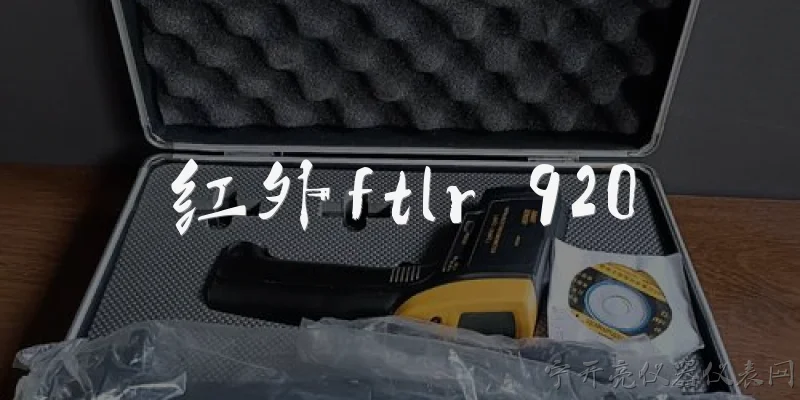
Infrared temperature sensor for electrical rooms:What is an infrared temperature sensor and why is it used in electrical rooms?
Q: What is an infrared temperature sensor and why is it used in electrical rooms?
A: An infrared temperature sensor is a non-contact device that measures surface temperature by detecting emitted infrared radiation. In electrical rooms, it is used to monitor the heat of busbars, circuit breakers, transformers, and cable joints without physical contact. This is critical because loose connections or overloaded circuits generate excessive heat, which can lead to fires or equipment failure. Traditional contact sensors are impractical due to high voltage and limited access. Infrared sensors provide continuous, real-time monitoring, enabling early detection of abnormal heating. They can be mounted on walls or ceilings, scanning multiple points. When integrated with alarm systems, they alert operators before a fault escalates, improving safety and reducing downtime. Thus, infrared sensors are essential for preventive maintenance in electrical environments.
Q: How does an infrared temperature sensor work in electrical room monitoring?
A: An infrared temperature sensor works by focusing infrared radiation from a target surface onto a thermopile or pyroelectric detector, which converts it into an electrical signal proportional to temperature. In electrical rooms, these sensors are typically installed at a safe distance to avoid arc flash hazards. They measure the temperature of critical components like switchgear contacts, bus ducts, and terminal blocks. Some models use a laser pointer for aiming, while fixed sensors scan a defined area. The output is processed by a controller that compares readings to preset thresholds. If temperature exceeds normal limits, an alarm triggers. Because they are non-contact, they do not interfere with electrical circuits or require shutdown for installation. This makes them reliable for continuous condition monitoring in high-voltage environments.
Q: What are the key benefits of using infrared temperature sensors in electrical rooms?
A: The key benefits include non-contact safety, real-time monitoring, and early fault detection. Since electrical rooms have high voltage and restricted access, infrared sensors eliminate the need for physical contact, reducing shock and arc flash risks. They provide continuous temperature data, allowing operators to spot trends like gradual heating from loose connections or overloads. Early detection prevents catastrophic failures, fires, and unplanned outages. Compared to periodic manual inspections with handheld thermal cameras, fixed infrared sensors offer 24/7 coverage and immediate alarms. They also reduce maintenance costs by enabling condition-based servicing rather than routine checks. Additionally, they can be integrated into SCADA or building management systems for remote monitoring. Overall, they enhance safety, reliability, and operational efficiency in electrical power distribution.
Q: What factors should be considered when selecting an infrared temperature sensor for an electrical room?
A: When selecting an infrared temperature sensor for an electrical room, consider the temperature range, optical resolution, response time, and environmental conditions. The sensor must cover expected temperatures (e.g., -20°C to 500°C) and have a distance-to-spot ratio that matches the target size and distance. For electrical rooms, a ratio of 10:1 or higher is common. Response time should be fast enough to catch rapid heating. Also, ensure the sensor is rated for the ambient temperature and humidity, and has adequate shielding from electromagnetic interference. Emissivity settings are crucial; most electrical surfaces have high emissivity, but shiny metals need adjustment. Choose a sensor with industrial interfaces (4-20 mA, Modbus, or relay outputs) for integration. Finally, consider mounting options and whether a fixed or scanning sensor better suits the layout.
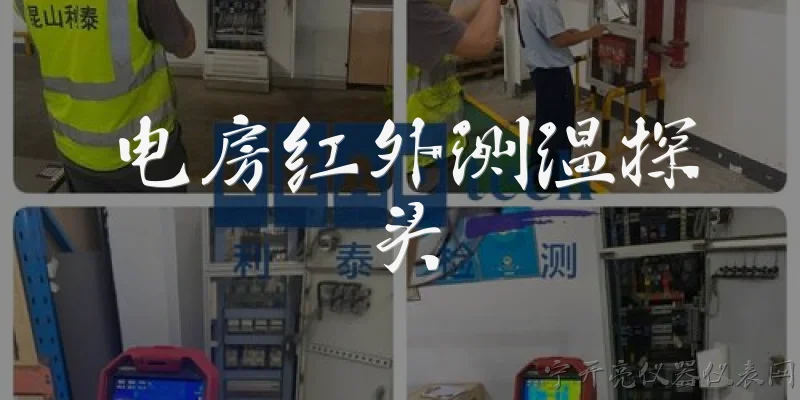
Dialogue about
Common scenarios of "Infrared temperature sensor for electrical rooms"
【Electrical Engineer】 Hi, I'm looking to install infrared temperature sensors in our electrical rooms to monitor overheating equipment. Do you have any recommendations?
【Sensor Specialist】 Absolutely! Infrared sensors are ideal for non-contact temperature measurement in electrical rooms. First, what's the voltage and size of the equipment you're monitoring?
【Electrical Engineer】 We have medium-voltage switchgear up to 35kV, transformers, and various low-voltage panels. The rooms are about 10m x 15m.
【Sensor Specialist】 Got it. For medium-voltage applications, you'll need sensors with a wide temperature range, say -20°C to 300°C, and high accuracy. Also, consider the field of view to cover critical points like busbars and connections.
【Electrical Engineer】 What about environmental factors? The rooms can get dusty and have some EMI from the equipment.
【Sensor Specialist】 Dust and EMI are common. Look for sensors with IP65 or higher ratings and shielded cables. Also, ensure they have good EMI immunity, maybe with built-in filtering.
【Electrical Engineer】 Should I go for fixed mount or handheld? We need continuous monitoring.
【Sensor Specialist】 For continuous monitoring, fixed mount sensors are better. You can install them on walls or ceilings, pointing at critical areas. They can be connected to a PLC or SCADA system for real-time alerts.
【Electrical Engineer】 How many sensors would I need for a typical room?
【Sensor Specialist】 It depends on the layout. Usually, 4-6 sensors per room to cover all high-risk points. You might also use a thermal imaging camera for periodic inspections, but for continuous, point sensors are cost-effective.
【Electrical Engineer】 What about calibration and maintenance?
【Sensor Specialist】 Most industrial IR sensors come with factory calibration. You should recalibrate annually or per manufacturer's recommendation. Maintenance is minimal—just keep the lens clean.
【Electrical Engineer】 Can you suggest some specific models or brands?
【Sensor Specialist】 Sure. Fluke, Raytek, and Optris are reputable. For fixed installation, consider Raytek MI3 or Optris CS series. They offer various temperature ranges and outputs.
【Electrical Engineer】 What output types are best for integration with our SCADA?
【Sensor Specialist】 4-20mA, Modbus RTU, or Ethernet outputs are common. If your SCADA supports Modbus, that's a good choice. Also, some sensors have relay outputs for alarms.
【Electrical Engineer】 Any safety considerations for installing in live electrical rooms?
【Sensor Specialist】 Always follow lockout/tagout procedures. Use sensors that are rated for the environment and ensure proper grounding. If possible, install during scheduled outages.
【Electrical Engineer】 What about the cost? Roughly per sensor?
【Sensor Specialist】 Fixed IR sensors range from $500 to $2000 each, depending on specs. Plus installation and integration costs. But it's a small price for preventing downtime and fires.
【Electrical Engineer】 Thanks, that's very helpful. I'll look into those models and discuss with my team.