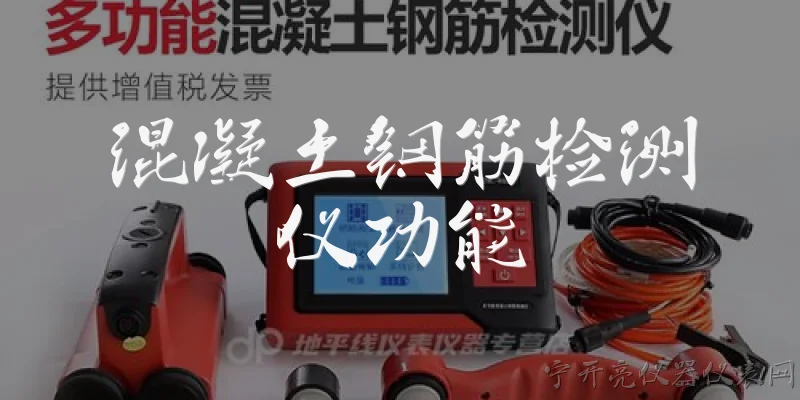
Concrete Rebar Detector Functions:What are the primary functions of a concrete rebar detector?
Q: What are the primary functions of a concrete rebar detector?
A: The primary function of a concrete rebar detector is to locate reinforcing steel bars (rebar) embedded within concrete structures without causing damage. It uses electromagnetic or radar technology to detect the position, depth, and sometimes the diameter of rebar. This helps construction professionals avoid cutting or drilling into critical reinforcement during renovation, anchoring, or coring. Additionally, these devices can identify the cover thickness, ensuring it meets structural and safety standards. By mapping rebar layout, they prevent costly mistakes and maintain the integrity of the concrete. Some advanced models also detect plastic and metal conduits, post-tension cables, and other embedded objects, making them essential for pre-drilling surveys and structural assessments.
Q: How does a concrete rebar detector help in avoiding damage during drilling?
A: A concrete rebar detector helps avoid damage by precisely locating rebar before any drilling or cutting occurs. When you scan a concrete surface, the device emits a signal that reacts to the presence of metal. The detector then alerts you with visual, audible, or vibration feedback, indicating the exact spot of the rebar. This allows you to mark safe zones where you can drill without hitting reinforcement. Striking rebar can damage drill bits, weaken the structure, and create safety hazards. By using the detector, you ensure that holes for anchors, pipes, or electrical outlets are placed in areas free of steel, preserving the load-bearing capacity of the concrete and avoiding expensive repairs or structural failure.
Q: Can a concrete rebar detector measure the depth of rebar, and why is that important?
A: Yes, most modern concrete rebar detectors can measure the depth of rebar below the surface, often displaying it in millimeters or inches. This function is crucial because it tells you the concrete cover thickness—the distance between the surface and the rebar. Adequate cover protects the steel from corrosion and fire, and it ensures proper bonding between concrete and reinforcement. Knowing the depth also helps you choose the right drill bit length and avoid penetrating too deep. If the cover is too thin, rebar may be exposed to moisture, leading to rust and structural deterioration. Therefore, depth measurement aids in quality control during construction and in maintenance inspections of existing structures.
Q: What other embedded objects can a concrete rebar detector find besides rebar?
A: Besides rebar, a concrete rebar detector can often locate other metallic and some non-metallic embedded objects. These include electrical conduits (metal or plastic), copper pipes, post-tension cables, and sometimes even anchors or wire mesh. Advanced models with ground-penetrating radar (GPR) can detect plastic pipes and voids as well. However, the ability to find non-metallic objects depends on the technology; electromagnetic detectors typically only find conductive metals, while GPR can pick up changes in density. This multi-functionality makes the detector invaluable for renovation projects where you need to avoid hitting any hidden services. Always check the device's specifications to know its detection capabilities.
Words of experience
Common scenarios of "Concrete Rebar Detector Functions"
【Engineer】 Hi, I'm looking for a tool to help me detect rebar in concrete before I drill. What does a concrete rebar detector actually do?
【Sales Rep】 Great question! A concrete rebar detector, also known as a rebar locator, is designed to locate reinforcing steel bars, mesh, and post-tension cables inside concrete structures without damaging them.
【Engineer】 So it basically finds metal inside concrete? How does it work?
【Sales Rep】 Exactly. Most use electromagnetic pulse induction technology. The device generates a magnetic field that induces eddy currents in conductive materials like steel, and the receiver detects the changes in the field.
【Engineer】 What kind of information does it give me? Just presence or absence?
【Sales Rep】 It typically provides depth of the rebar, its orientation, and sometimes an estimate of bar diameter. Some advanced models can also map the layout over a larger area.
【Engineer】 That sounds useful. Can it tell the difference between rebar and other metals, like copper pipes?
【Sales Rep】 Many models can differentiate based on conductivity and signal characteristics, but it's not always perfect. Some high-end detectors have a discrimination mode to help distinguish ferrous from non-ferrous metals.
【Engineer】 What about depth range? How deep can it detect?
【Sales Rep】 Typical handheld detectors can sense rebar up to about 6 to 8 inches deep, depending on bar size and concrete conditions. There are specialized units for deeper detection, but they are larger and more expensive.
【Engineer】 Is it affected by moisture or aggregates in the concrete?
【Sales Rep】 Moisture can slightly affect readings, but modern devices compensate for that. Aggregates generally don't interfere unless they contain significant metallic content, which is rare.
【Engineer】 Can it be used on walls and ceilings, or only floors?
【Sales Rep】 It works on any surface—floors, walls, ceilings. You just need to keep the sensor flat against the surface and move it slowly.
【Engineer】 How do I know where exactly to drill after scanning?
【Sales Rep】 Most detectors have a marking mode. You can use a pencil or marker to note the rebar positions on the surface, then avoid those areas when drilling.
【Engineer】 What about scanning large areas? Is there a way to record the data?
【Sales Rep】 Yes, some models have memory and can store scan data, or connect to a tablet via Bluetooth for real-time mapping and documentation.
【Engineer】 Are there any safety features I should look for?
【Sales Rep】 Look for alarms or vibration alerts when you're close to a rebar, and automatic shutoff to save battery. Also, ensure it's rated for the environment you'll use it in.
【Engineer】 What's the typical battery life?
【Sales Rep】 Usually 8 to 12 hours of continuous use with standard batteries or rechargeable packs. Some have battery indicators to warn you before it dies.
【Engineer】 Can it detect plastic conduits or PEX tubing?
【Sales Rep】 No, standard rebar detectors only detect conductive metals. For plastic pipes, you'd need a different tool like a ground-penetrating radar or a dedicated pipe locator.
【Engineer】 Okay, so it's specifically for metal. That's fine. How accurate is the depth measurement?
【Sales Rep】 Depth accuracy is typically within ±10% or ±1/8 inch, whichever is greater, under ideal conditions. But accuracy can vary with concrete density and rebar spacing.
【Engineer】 What if there are multiple layers of rebar?
【Sales Rep】 It can detect multiple layers, but the signal from the first layer may mask deeper ones. You might need to scan from both sides or use a more advanced detector with better resolution.
【Engineer】 I see. So it's not foolproof, but still very helpful. Any maintenance tips?
【Sales Rep】 Keep the sensor clean and avoid dropping it. Calibrate it regularly according to the manual, and store it in a dry place. That will keep it accurate for years.
【Engineer】 Thanks, that's a lot of good info. I think I have a better idea of what to look for now.
【Sales Rep】 You're welcome! If you need a demo or have more questions, feel free to reach out. Good luck with your project!