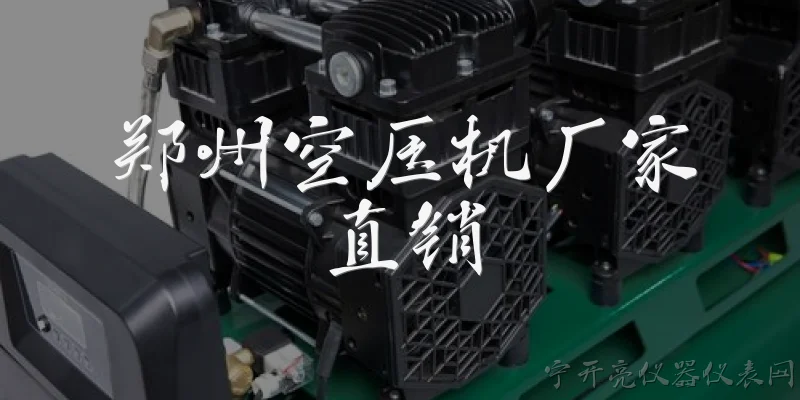
Air compressor not building pressure:Why is my air compressor not building pressure?
Q: Why is my air compressor not building pressure?
A: An air compressor that fails to build pressure often points to a few common culprits. Start by checking for leaks in the system—worn hoses, loose fittings, or a faulty check valve can bleed off pressure as fast as it builds. Next, inspect the intake and discharge valves; damaged or carbon-fouled reed valves prevent the pump from compressing air efficiently. A worn piston ring or scored cylinder will also cause low pressure, especially on older units. Don't overlook the pressure switch or unloader valve—if the unloader sticks open, the compressor keeps running but never pressurizes. Finally, verify the tank drain valve isn't open and the belt (on belt-driven models) isn't slipping. A systematic check from tank to pump usually isolates the problem within minutes.
Q: How can I troubleshoot an air compressor that runs but won't build pressure?
A: When the motor runs but pressure stays low, begin with the easiest checks. Confirm the tank drain is closed and no tools or hoses are leaking downstream. Then remove the intake filter and feel for suction at the inlet; weak suction suggests worn piston rings or a bad intake valve. If suction is strong, inspect the discharge line and check valve for blockage or a stuck-open condition. A simple soapy-water test on all fittings and joints can reveal hidden leaks. On oil-lubricated units, check the oil level—low oil causes excessive blow-by. For direct-drive compressors, a sheared flywheel key is a possibility. If the pump seems mechanically sound, test the pressure switch with a multimeter; a faulty switch may cut power before pressure builds. Work through these steps methodically to pinpoint the failure.
Q: What causes a portable air compressor to lose pressure while running?
A: A portable compressor that builds pressure initially but loses it during operation usually has a leak or a failing component. The most frequent cause is a worn or dirty check valve that lets air escape back through the pump head once the motor stops or cycles. Another common issue is a cracked or loose fitting on the manifold or regulator, which may only leak under vibration. The unloader valve, designed to release head pressure on shutdown, can stick partially open and bleed air continuously. On units with a tank, internal rust pinholes can develop and leak slowly. Also check the pressure relief valve—if it's weak, it may vent prematurely. For gas-powered portables, a slipping belt reduces pump speed and therefore pressure. Replacing the check valve and tightening all connections solves most of these cases.
Q: Can a bad pressure switch stop an air compressor from building pressure?
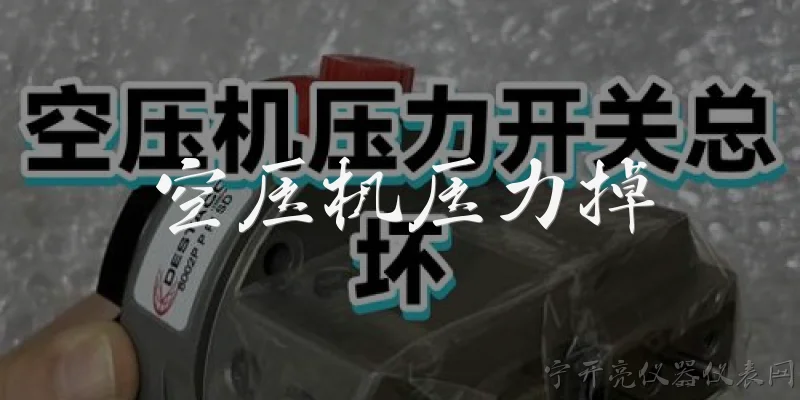
A: Yes, a faulty pressure switch can definitely prevent an air compressor from building pressure, though the symptom is often misunderstood. The switch controls when the motor turns on and off based on tank pressure. If the switch contacts are burned or stuck open, the motor may not start at all. More subtly, a misadjusted or defective switch can cut power to the motor before the tank reaches the set pressure, making it seem like the compressor cannot build pressure. Additionally, the small unloader valve integrated into many pressure switches can leak, bleeding air from the pump head and reducing efficiency. To test, bypass the switch temporarily (only for diagnosis) or check continuity with a multimeter while the tank is empty. If the switch fails to close the circuit when pressure is low, replace it—it's an inexpensive part that resolves many no-pressure complaints.
Dialogue about
Common scenarios of "Air compressor not building pressure"
【User】 Hi, I'm having an issue with my air compressor. It runs but won't build any pressure. Can you help me troubleshoot?
【Assistant】 I'd be happy to help. Let's start with some basics. What type of air compressor is it? Brand and model would be helpful.
【User】 It's a Porter-Cable 6-gallon pancake compressor, model C2002. It's about 5 years old.
【Assistant】 Thanks. Does the motor run continuously without shutting off, or does it cycle on and off?
【User】 It runs continuously and never shuts off. The pressure gauge stays at zero.
【Assistant】 That suggests a major leak or a valve problem. First, check if there's any air coming out of the drain valve at the bottom of the tank. Is it closed tightly?
【User】 The drain valve is closed. No air coming out there. I also checked the regulator and it's set to max.
【Assistant】 Good. Next, check the air filter and intake. If the intake is blocked, it won't build pressure. Also, listen for any hissing sounds around the head or fittings.
【User】 I don't hear any hissing. The air filter looks clean. What else could it be?
【Assistant】 Could be a blown head gasket, worn piston rings, or a faulty check valve. Let's test the check valve. Turn off the compressor, unplug it, and relieve all pressure. Then disconnect the line from the check valve to the tank. Does air escape from the tank side?
【User】 I did that. No air escapes from the tank side. But when I turn it on, I can feel air puffing out of the intake port.
【Assistant】 That's a key symptom. Air puffing out of the intake often indicates a bad intake valve or a stuck valve plate. It could also be a broken reed valve. You'll likely need to remove the cylinder head to inspect.
【User】 Is that something I can do myself? I'm somewhat handy but haven't worked on compressors before.
【Assistant】 Yes, it's doable. You'll need a screwdriver, maybe a torque wrench. Take photos as you disassemble. Look for carbon buildup, cracks, or metal debris. The reed valves are thin metal flaps that can fatigue and break.
【User】 Okay, I'll open it up. What should I look for specifically?
【Assistant】 Check the head gasket for tears. Inspect the reed valves for bends or gaps. Also, check the cylinder bore for scoring. If the reed valves are bad, you can often buy a replacement valve plate kit.
【User】 I see a small crack in one of the reed valves. That's probably it, right?
【Assistant】 Yes, that's almost certainly the cause. A cracked reed valve won't seal, so the compressor can't build pressure. Replace the valve plate assembly. Make sure to clean the mating surfaces and use a new gasket.
【User】 Great, I'll order the parts. Any tips for reassembly?
【Assistant】 Tighten the head bolts in a crisscross pattern to the specified torque (usually around 10-12 ft-lbs for this model). Don't overtighten. Also, replace the air filter while you're at it. Once reassembled, run it and check for leaks with soapy water.
【User】 Thanks for the detailed help! I'll let you know how it goes.
【Assistant】 You're welcome. Good luck, and feel free to reach out if you run into any issues.