Bearing installation methods:What are the main methods for installing bearings?
Q: What are the main methods for installing bearings?
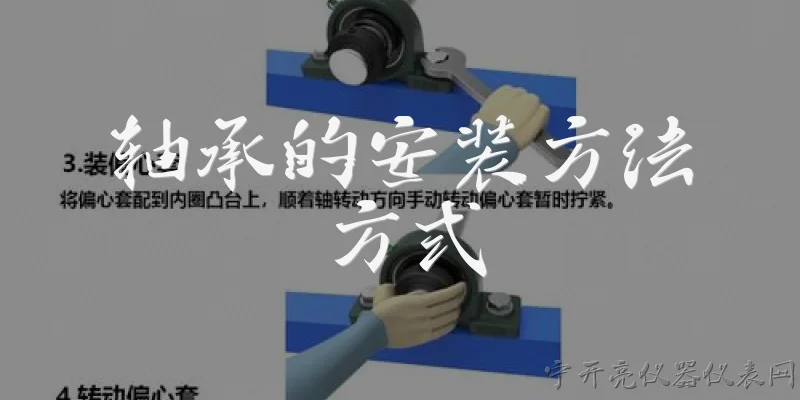
A: The main bearing installation methods include mechanical press fitting, thermal expansion, hydraulic fitting, and induction heating. Mechanical press fitting uses a press or hammer to force the bearing onto the shaft, suitable for small to medium bearings. Thermal expansion, such as heating the bearing in an oil bath or oven, causes it to expand for easy sliding onto the shaft, ideal for larger bearings. Hydraulic fitting uses oil pressure to inject lubricant between mating surfaces, reducing friction during assembly. Induction heating uses electromagnetic induction to heat the bearing quickly and precisely. The choice depends on bearing size, fit tolerance, and application requirements. Proper method selection prevents damage and ensures reliable operation.
Q: How does thermal expansion work for bearing installation?
A: Thermal expansion involves heating the bearing to increase its inner diameter, allowing it to slide onto the shaft without force. Typically, the bearing is heated in an oil bath to 80–120°C or in an induction heater. The temperature must not exceed the bearing's tempering limit (usually 120°C for standard bearings) to avoid material degradation. Once heated, the bearing is quickly positioned against the shaft shoulder and held until it cools and contracts, creating an interference fit. This method minimizes stress and risk of damage, especially for large bearings. However, it requires careful temperature control and safety measures. After cooling, additional axial clamping may be needed to ensure proper seating.
Q: What precautions should be taken during bearing installation?
A: During bearing installation, several precautions are critical. First, ensure all components are clean to prevent contamination. Second, apply force only to the ring being fitted—never through the rolling elements—to avoid brinelling. Third, use proper tools like bearing heaters or hydraulic nuts, not direct hammer blows. Fourth, check shaft and housing tolerances and surface finishes. Fifth, for thermal methods, never exceed the recommended temperature and avoid open flames. Sixth, after installation, verify that the bearing rotates freely and check axial clearance. Seventh, use appropriate lubricant and avoid over-greasing. Finally, follow manufacturer guidelines for specific bearing types. Ignoring these can lead to premature failure, noise, or vibration.
Q: When should I use hydraulic versus mechanical bearing installation?
A: Use hydraulic installation when dealing with large bearings or heavy interference fits, as it reduces assembly force and risk of damage. Hydraulic methods inject oil between mating surfaces, creating a film that eases sliding. They are ideal for tapered shafts or where a controlled force is needed. Mechanical press fitting is suitable for small to medium bearings with moderate interference, often in mass production or simple assemblies. However, mechanical methods can damage bearings if force is misapplied. Hydraulic is preferred for high-precision or expensive bearings. The decision depends on bearing size, fit, available equipment, and cost. For critical applications, hydraulic offers better control and less stress.
Dialogue about
Common scenarios of "Bearing installation methods"
【Trainee】 Good morning, Mr. Chen. I'm here for the bearing installation training. Could you start by explaining the basic methods?
【Instructor】 Good morning! Sure. Bearing installation mainly depends on the bearing type, size, and fit. The three common methods are mechanical, thermal, and hydraulic.
【Trainee】 Mechanical method—does that mean using a hammer and a sleeve?
【Instructor】 Exactly. You use a soft hammer or a press, and always apply force on the ring with the interference fit, never through the rolling elements.
【Trainee】 So if the inner ring is the interference fit, I press on the inner ring?
【Instructor】 Correct. If both rings have interference, you need a special sleeve that contacts both rings simultaneously.
【Trainee】 What about thermal installation? I've heard of heating bearings in oil.
【Instructor】 Yes, thermal expansion is common for large bearings. You heat the bearing to about 80–100°C in clean oil, then slide it onto the shaft.
【Trainee】 Is there a risk of overheating?
【Instructor】 Definitely. Never exceed 120°C, or the bearing material can lose its hardness. Use a temperature controller.
【Trainee】 What about induction heaters? Are they better than oil baths?
【Instructor】 Induction heaters are cleaner and faster. They heat the bearing evenly and you can set the exact temperature. But they're more expensive.
【Trainee】 And the hydraulic method? I'm not familiar with that.
【Instructor】 Hydraulic installation uses oil pressure to expand the bearing bore or to push the bearing onto a tapered shaft. It's often used for large bearings on tapered journals.
【Trainee】 So you inject oil between the bearing and shaft to create a film?
【Instructor】 Right. The oil film reduces friction, allowing the bearing to slide into place with minimal force. Then you release the pressure and the bearing locks.
【Trainee】 Are there any safety precautions for these methods?
【Instructor】 Always wear gloves and eye protection. For thermal methods, handle hot bearings with tongs. For hydraulic, ensure hoses and fittings are rated for the pressure.
【Trainee】 What about misalignment during installation? How do I avoid it?
【Instructor】 Use a dial indicator to check alignment. For mechanical pressing, apply force gradually and check perpendicularity. For thermal, make sure the bearing goes on straight.
【Trainee】 Can you recommend a method for a small electric motor bearing?
【Instructor】 For small bearings, mechanical press or a proper bearing heater is best. Avoid hammering directly. A bench press with a sleeve works well.
【Trainee】 Thank you, Mr. Chen. I feel much more confident now.
【Instructor】 You're welcome. Remember, the key is to apply force to the correct ring and control the temperature. Practice on scrap bearings first.