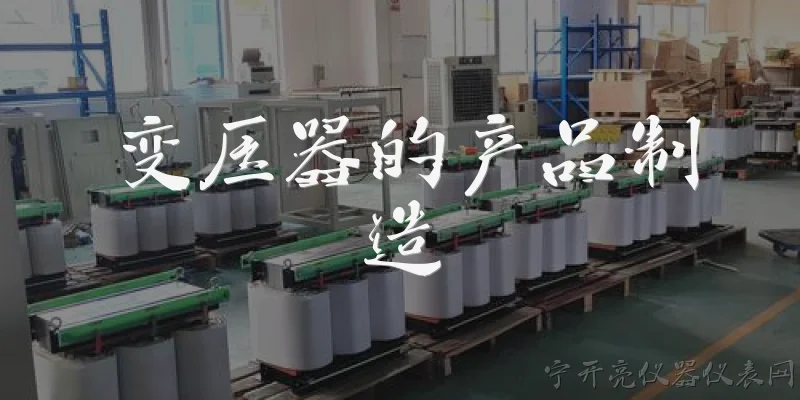
What is a dry-type transformer:What exactly is a dry-type transformer?
Q: What exactly is a dry-type transformer?
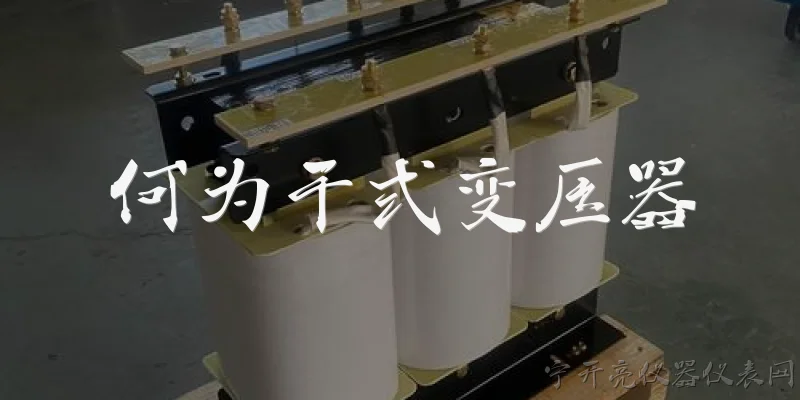
A: A dry-type transformer is an electrical device that transfers energy between circuits through electromagnetic induction without using any liquid coolant or insulation. Unlike oil-filled transformers, its core and windings are cooled by air circulation, either naturally or with fans. The windings are typically encapsulated in cast resin or impregnated with special varnish to provide insulation and protect against moisture and contaminants. This design eliminates the risk of oil leaks, fires, or toxic gas emissions, making dry-type transformers ideal for indoor installations, hospitals, schools, and commercial buildings. They are commonly used in low and medium voltage applications, generally up to 35 kV, and are available in single-phase and three-phase configurations. Their compact size and maintenance-free operation make them a popular choice where safety and environmental concerns are paramount.
Q: How does a dry-type transformer differ from an oil-filled transformer?
A: The primary difference lies in the cooling and insulation medium. Oil-filled transformers use mineral oil or synthetic fluids to both insulate the windings and dissipate heat, while dry-type transformers rely on air and solid insulation materials like cast resin or epoxy. This makes dry-types safer in environments where fire hazards or oil leaks are unacceptable, such as inside buildings or near sensitive equipment. Oil-filled units generally handle higher power ratings and are more efficient at cooling, but they require regular oil testing and containment measures. Dry-types are easier to install, need less maintenance, and are environmentally friendly since they contain no oil that could spill. However, they are typically limited to lower voltage classes and may produce more audible noise. The choice depends on application, safety regulations, and cost considerations.
Q: What are the main advantages of using a dry-type transformer?
A: Dry-type transformers offer several key advantages. First, they are fire-resistant and self-extinguishing, which makes them suitable for indoor use in public spaces like hospitals, shopping malls, and high-rise buildings. Second, they eliminate the risk of oil leakage, reducing environmental hazards and cleanup costs. Third, they require less maintenance because there is no oil to test or replace, and no need for containment pits or firewalls. Fourth, they are more compact and lighter than equivalent oil-filled units, simplifying installation and saving space. Fifth, they operate quietly and can be installed close to load centers, improving voltage regulation. Finally, they are environmentally friendly, as they contain no toxic or flammable liquids. These benefits make dry-type transformers a preferred choice for many commercial, industrial, and renewable energy applications, especially where safety and low maintenance are critical.
Q: Where are dry-type transformers commonly used?
A: Dry-type transformers are widely used in applications where safety, environmental concerns, and indoor installation are priorities. Common locations include commercial buildings, hospitals, schools, airports, and underground mines, where fire hazards from oil-filled transformers are unacceptable. They are also found in renewable energy systems, such as solar and wind farms, for stepping up or down voltage. Industrial plants use them for power distribution and control circuits, especially in clean rooms or food processing areas where contamination must be avoided. Additionally, they serve in marine and offshore platforms, where space is limited and maintenance access is difficult. Data centers rely on dry-types for reliable, low-maintenance power. In summary, whenever an installation requires a compact, safe, and environmentally friendly transformer, dry-type units are the go-to solution across diverse sectors.
Words of experience
Common scenarios of "What is a dry-type transformer"
【Electrical Engineer】 Hi, I'm an electrical engineer. Today, let's discuss what a dry-type transformer is. Can you explain?
【Student】 Sure! A dry-type transformer is a type of transformer that uses air or other gases as the cooling medium instead of liquid like oil. It doesn't have oil-filled compartments.
【Electrical Engineer】 That's correct. So, what are the main components of a dry-type transformer?
【Student】 The main components include the core, windings, insulation system, and cooling system. The windings are typically encapsulated in epoxy resin or cast in solid insulation.
【Electrical Engineer】 Good. What are the advantages of dry-type transformers over oil-immersed ones?
【Student】 They are safer because they don't have flammable oil, so fire risk is lower. They are also environmentally friendly, require less maintenance, and can be installed indoors.
【Electrical Engineer】 Yes, and they are often used in places like hospitals, schools, and high-rise buildings. What about their disadvantages?
【Student】 They have lower power ratings compared to oil-filled transformers, higher initial cost, and they can be noisier. Also, they might have lower overload capacity.
【Electrical Engineer】 Right. Can you explain the cooling classes of dry-type transformers?
【Student】 There are typically two cooling methods: air natural (AN) and air forced (AF). AN relies on natural convection, while AF uses fans to force air over the windings for better cooling.
【Electrical Engineer】 Exactly. What are the common insulation classes for dry-type transformers?
【Student】 Common insulation classes are B, F, and H, with H being the highest temperature rating. The insulation class determines the maximum allowable temperature rise.
【Electrical Engineer】 Good. Where are dry-type transformers typically installed?
【Student】 They are commonly installed indoors, in commercial buildings, industrial plants, and areas where fire safety is critical. They are also used in underground mines and marine applications.
【Electrical Engineer】 What about maintenance? How often do they need maintenance?
【Student】 They require less maintenance than oil-filled transformers. Typically, annual inspections and cleaning are recommended, but it depends on the environment. They should be kept free of dust and moisture.
【Electrical Engineer】 What are some common issues with dry-type transformers?
【Student】 Common issues include overheating due to poor ventilation, insulation degradation, and winding faults. Regular monitoring of temperature and partial discharge can help detect problems early.
【Electrical Engineer】 That's a good summary. So, in conclusion, dry-type transformers are a safe and environmentally friendly option for many applications, but they have limitations in terms of power rating and cost.
【Student】 Yes, and understanding their construction, cooling, and maintenance is key to using them effectively.