Infrared Thermal Imager Gas:What is an infrared thermal imager gas detection camera and how does it work?
Q: What is an infrared thermal imager gas detection camera and how does it work?
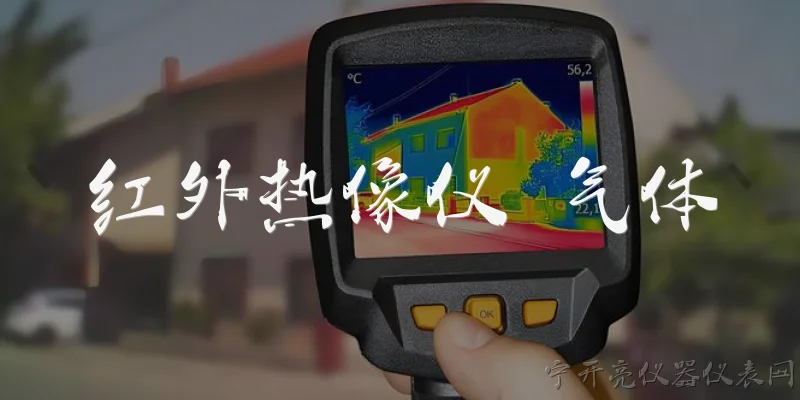
A: An infrared thermal imager gas detection camera, often called an optical gas imaging (OGI) camera, is a specialized device that visualizes invisible gas leaks by detecting their infrared absorption. It works by using a cooled or uncooled infrared detector sensitive to specific mid-wave infrared (MWIR) or long-wave infrared (LWIR) bands. Gases such as methane, sulfur hexafluoride, and refrigerants absorb infrared radiation at characteristic wavelengths. The camera captures the background infrared energy and, where gas is present, the absorbed wavelengths create a contrast, making the gas plume appear as a dark or light smoke-like cloud on the thermal image. This allows operators to safely scan large areas from a distance, pinpoint leaks in real time, and comply with environmental regulations without interrupting industrial processes.
Q: Which gases can be detected with an infrared thermal imager gas camera?
A: Infrared thermal imager gas cameras are designed to detect a wide range of gases that have strong absorption bands in the infrared spectrum. Common target gases include methane (CH4), the primary component of natural gas; sulfur hexafluoride (SF6), used in electrical switchgear; refrigerants like R-134a, R-410A, and R-22; carbon monoxide (CO); carbon dioxide (CO2); and volatile organic compounds (VOCs) such as benzene, ethanol, and methanol. The specific gases detectable depend on the camera's spectral filter and detector range. For example, a MWIR camera with a 3.2–3.4 µm filter is ideal for methane and VOCs, while a LWIR camera can detect SF6 and some refrigerants. Users should match the camera's spectral response to the gases of interest for effective leak detection.
Q: What are the key applications of infrared thermal imager gas detection in industry?
A: Infrared thermal imager gas detection is widely used in oil and gas, chemical, power generation, and manufacturing industries. In oil and gas, it helps locate fugitive methane emissions from pipelines, wellheads, compressors, and storage tanks, reducing product loss and meeting environmental regulations. In the chemical sector, it detects leaks of hazardous VOCs and toxic gases, improving worker safety. Power plants use it to find SF6 leaks in high-voltage circuit breakers and GIS equipment. Other applications include landfill gas monitoring, biogas plant inspections, refrigeration system leak checks, and HVAC maintenance. The technology enables non-contact, real-time visualization of gas plumes, allowing rapid repair and preventive maintenance. It also supports compliance with EPA and EU methane reduction rules, making it an essential tool for leak detection and repair (LDAR) programs.
Q: How to choose the right infrared thermal imager gas camera for your needs?
A: When selecting an infrared thermal imager gas camera, consider several factors. First, identify the target gases and their absorption wavelengths; choose a camera with a spectral filter matching those gases (e.g., 3.2–3.4 µm for methane, 10.3–10.7 µm for SF6). Second, evaluate detector sensitivity and resolution—higher sensitivity detects smaller leaks, while higher resolution provides clearer images. Third, consider cooling type: cooled cameras offer better sensitivity and gas contrast but are bulkier and pricier; uncooled models are lighter and more affordable but may have lower performance. Fourth, check ergonomics, battery life, and whether the camera includes a visible-light camera for context. Finally, ensure compliance with industry standards and your budget. Many manufacturers offer rental or demo units, so testing before purchase is recommended.
Words of experience
Common scenarios of "Infrared Thermal Imager Gas"
【工程师】 你好,我最近在研究红外热像仪在气体检测方面的应用。听说你们公司有相关产品?
【销售代表】 是的,我们提供多种用于气体检测的红外热像仪,可以检测甲烷、六氟化硫等气体。您具体想检测哪种气体?
【工程师】 主要是甲烷和六氟化硫,用于工业环境中的泄漏检测。能介绍一下原理吗?
【销售代表】 当然。我们的热像仪利用气体分子对特定红外波段的吸收特性,通过对比背景辐射来可视化气体云团。比如甲烷在3.3微米附近有吸收峰。
【工程师】 听起来不错。那检测灵敏度如何?能检测到多小的泄漏?
【销售代表】 灵敏度取决于气体种类、浓度和距离。以甲烷为例,我们的高端型号可以检测到低至1 ppm·m的浓度路径积分。
【工程师】 1 ppm·m?那在实际环境中,比如10米外,能检测到多少浓度的泄漏?
【销售代表】 如果距离10米,那么浓度大约需要0.1 ppm才能被检测到。当然,实际还受风速、背景温度等因素影响。
【工程师】 明白了。你们的热像仪有哪些型号?能推荐一下吗?
【销售代表】 我们有三款主打型号:GF300、GF500和GF700。GF300适合常规巡检,GF500灵敏度更高,GF700则具备最高灵敏度和自动气体识别功能。
【工程师】 GF700听起来很先进。它支持哪些气体?
【销售代表】 GF700内置了多种气体滤镜,可检测甲烷、乙烷、丙烷、六氟化硫、一氧化碳等十几种气体。您可以通过软件切换。
【工程师】 那它的操作复杂吗?需要专门培训吗?
【销售代表】 操作界面很直观,触摸屏设计,一般半天培训即可上手。我们提供现场培训和在线教程。
【工程师】 好的。价格方面呢?GF700大概多少钱?
【销售代表】 GF700的定价大约在20万人民币左右,具体配置和数量可以优惠。您需要正式报价吗?
【工程师】 先给我一个初步报价吧,包括主机、电池、充电器和软件。
【销售代表】 没问题,我会把详细报价单发到您邮箱。另外,我们还可以提供演示机试用,您有兴趣吗?
【工程师】 试用当然好,我们可以安排现场测试。谢谢!
【销售代表】 不客气,我会尽快安排。期待与您合作!