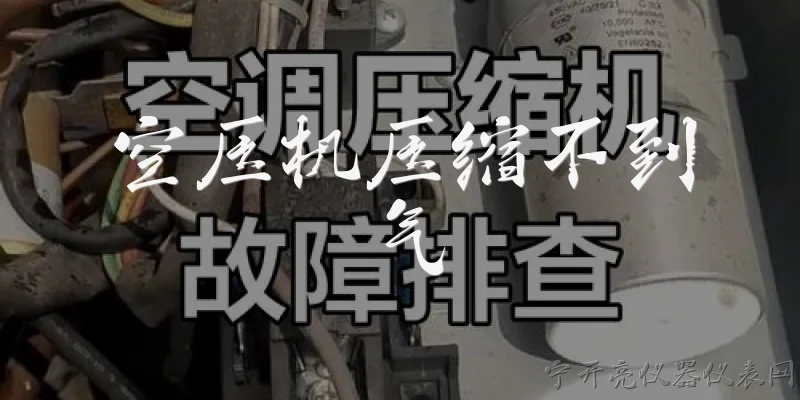
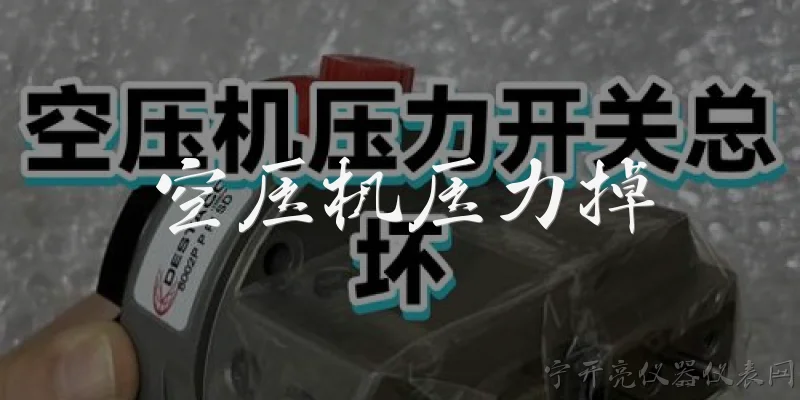
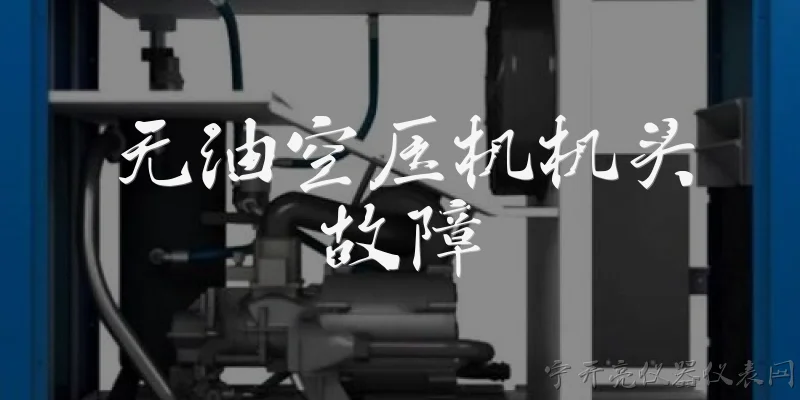
Oil-free air compressor head failure:What are the most common causes of oil-free air compressor head failure?
Q: What are the most common causes of oil-free air compressor head failure?
A: Oil-free air compressor head failure typically stems from several preventable issues. The most common cause is overheating, which occurs when cooling systems are clogged or ventilation is poor. Excessive heat degrades the piston seals, valve plates, and bearings, leading to premature wear. Another frequent cause is contaminated intake air. Since oil-free compressors rely on dry, clean air, dust, moisture, or chemical vapors can abrasively damage the piston rings and cylinder walls. Overcycling is also a major factor; frequent start-stop cycles stress the motor and valves. Additionally, inadequate maintenance—such as failing to replace air filters or check valve clearances—accelerates wear. Finally, manufacturing defects or incorrect installation, like misaligned belts or improper tension, can cause head failure. To prevent these issues, ensure proper ventilation, use high-quality filters, and follow the manufacturer's maintenance schedule. Regular inspection of valves, seals, and cooling fins can catch problems early and extend the compressor head's lifespan significantly.
Q: How can I diagnose an oil-free air compressor head failure?
A: Diagnosing an oil-free air compressor head failure involves observing symptoms and performing systematic checks. Start by listening for unusual noises—knocking, screeching, or rhythmic clicking often indicate worn bearings, loose valves, or piston slap. Next, check for reduced air output or inability to build pressure; this suggests leaking valves, worn piston rings, or a cracked head. Excessive heat near the cylinder head, measured with an infrared thermometer, points to cooling issues or internal friction. You may also notice oil-like residue (though oil-free, some models use grease) or black carbon deposits around the head, indicating overheating. A simple test is to disconnect the outlet and run the compressor briefly; if it still overheats or stalls, the problem is internal. Use a multimeter to verify motor windings and capacitor health. For a definitive diagnosis, remove the head and inspect the valve plate, reed valves, and cylinder bore for scoring or carbon buildup. If you find deep scratches or warped surfaces, the head likely needs replacement. Always depressurize and disconnect power before inspection.
Q: What are the repair options for a failed oil-free air compressor head?
A: Repair options for a failed oil-free air compressor head depend on the extent of damage. For minor issues like worn reed valves or gaskets, a rebuild kit is often sufficient. These kits include new valves, seals, piston rings, and sometimes a cylinder sleeve. Rebuilding requires mechanical skill, clean workspace, and a torque wrench to avoid warping the head. If the cylinder bore is scored or the head is cracked, replacement is usually more cost-effective than machining. Many manufacturers sell complete head assemblies, which are easier to install but pricier. In some cases, upgrading to a higher-quality head or a different model may be wise if failures recur. Before repairing, always verify that the motor and crankcase are still good; otherwise, you may waste money on a head that fails again due to underlying issues. For DIYers, YouTube tutorials and service manuals can guide the process. However, if the compressor is under warranty, contact the manufacturer first—tampering may void coverage. For large industrial units, hiring a certified technician ensures proper alignment and testing, saving long-term costs.
Words of experience
Common scenarios of "Oil-free air compressor head failure"
【Customer】 Hello, the air compressor head on our production line just stopped working. There's no pressure buildup and it's making a strange noise. Can you help?
【Technician】 I can help. First, is this an oil-free air compressor? And when you say 'strange noise,' can you describe it—squealing, knocking, or rattling?
【Customer】 Yes, it's oil-free. The noise is more like a high-pitched squeal, then it shut down. The display shows an overheat error.
【Technician】 Thanks. Overheat plus squealing often points to bearing failure or a seized piston in the compressor head. Has the unit been serviced recently?
【Customer】 We do basic filter changes, but I don't think the head has ever been opened. It's been running about 18 months, 8 hours a day.
【Technician】 That's a lot of runtime for an oil-free head without internal inspection. Oil-free models use self-lubricating piston seals and bearings. At 18 months, wear is likely.
【Customer】 So is the head repairable, or do we need a whole new compressor?
【Technician】 Often the head can be rebuilt with a seal and bearing kit, but if the cylinder wall is scored, replacement is better. Can you turn the flywheel by hand?
【Customer】 I tried. It's very hard to turn and feels gritty, like metal grinding.
【Technician】 That confirms internal mechanical damage. Gritty resistance means bearings are shot and possibly the piston is scoring the cylinder. Stop running it immediately.
【Customer】 We already stopped it. What should I do next—remove the head?
【Technician】 Yes, but first lock out power and let it cool. Then remove the fan cover and belt, and unbolt the head. Take photos of the cylinder bore and piston.
【Customer】 Okay, I can do that. What specifically should I look for in the photos?
【Technician】 Look for vertical scratches in the cylinder, discoloration from heat, and any metal debris. Also check if the connecting rod has play.
【Customer】 I'll send photos. If it's just bearings and seals, what does a rebuild kit cost roughly?
【Technician】 For a typical 2-3 HP oil-free head, a rebuild kit runs $80–$150. A new head is $250–$400. Labor is the bigger factor if we do it.
【Customer】 That's helpful. Could the overheat have been caused by something else, like a clogged filter or wrong voltage?
【Technician】 Absolutely. A clogged intake filter or low voltage makes it run hot, which accelerates bearing failure. Check your filter and supply voltage too.
【Customer】 Good point. The filter was pretty dirty last month. I'll replace it. If we rebuild the head, how long should it last?
【Technician】 With clean filters, correct voltage, and proper cool-down, a rebuilt oil-free head can last 12–24 months. Keep a maintenance log.
【Customer】 Thanks. I'll pull the head this afternoon and send photos. If the cylinder is scored, I'll order a new head.
【Technician】 Sounds good. Send the photos and I'll confirm whether to rebuild or replace. Also check the check valve and pressure switch while you're in there.