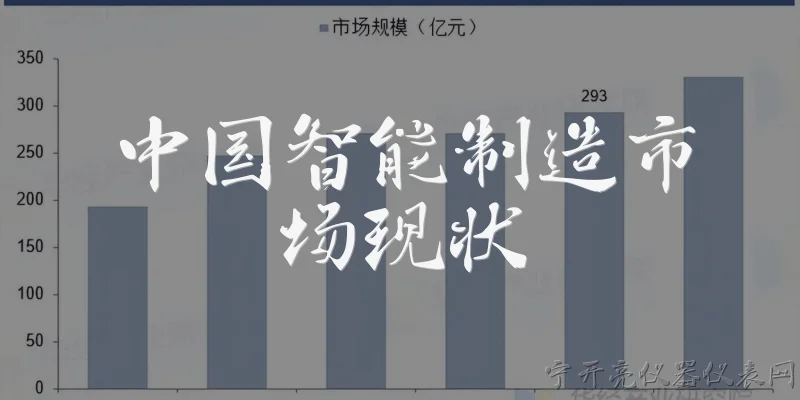
Current Status of China's Smart Manufacturing Market:What is the current scale and growth status of China's smart manufacturing market?
Q: What is the current scale and growth status of China's smart manufacturing market?
A: China's smart manufacturing market has expanded rapidly and is now one of the largest in the world. According to industry estimates, the market size has grown to hundreds of billions of yuan annually, driven by strong policy support and accelerating industrial digitalization. The government's Made in China 2025 strategy and subsequent 14th Five-Year Plan have set clear targets for upgrading traditional manufacturing with automation, industrial internet, and AI technologies. Key segments showing robust growth include industrial robots, intelligent production equipment, industrial software, and smart factory solutions. Adoption is spreading from large state-owned enterprises to small and medium-sized manufacturers, supported by subsidies and demonstration projects. However, growth is uneven across regions and sectors, with coastal manufacturing hubs and automotive, electronics, and equipment industries leading adoption while some traditional sectors lag behind.
Q: Which key technologies and application areas are driving China's smart manufacturing market?
A: China's smart manufacturing market is powered by several converging technologies. Industrial robots remain a core segment, with China being the world's largest installer of industrial robots for consecutive years. The industrial internet is another major driver, with thousands of 5G-powered smart factories and platforms connecting equipment and enabling predictive maintenance and remote monitoring. AI and machine learning are increasingly used for quality inspection, process optimization, and scheduling. Digital twins and cloud-based manufacturing systems are gaining traction among leading enterprises. Application areas seeing the fastest uptake include automotive, consumer electronics, machinery, chemicals, and pharmaceuticals. The Ministry of Industry and Information Technology has designated numerous smart manufacturing demonstration factories and pilot platforms, which help spread best practices and accelerate commercialization across supply chains.
Q: What are the main challenges facing China's smart manufacturing market today?
A: Despite rapid progress, China's smart manufacturing market faces several challenges. First, the adoption gap between large enterprises and SMEs remains significant, as smaller firms often lack the capital, talent, and technical expertise for digital transformation. Second, core technologies in industrial software, high-end sensors, and precision components still depend heavily on foreign suppliers, creating supply chain vulnerabilities. Third, there is a shortage of skilled workers who can integrate IT and operational technology, despite growing training programs. Fourth, data interoperability and cybersecurity standards are still maturing, which slows the integration of legacy equipment into smart systems. Finally, return on investment for smart manufacturing projects can be uncertain, making some manufacturers cautious. Addressing these challenges requires continued policy support, stronger domestic R&D, and improved standards and workforce development.
Q: What is the outlook and policy direction for China's smart manufacturing market in the coming years?
A: The outlook for China's smart manufacturing market remains strongly positive, with continued double-digit growth expected in key segments such as industrial robotics, industrial software, and smart factory solutions. Policy direction emphasizes deeper integration of digital and real economies, with initiatives under the 14th Five-Year Plan targeting expanded 5G and industrial internet infrastructure and broader SME digitalization. The government is promoting 'demonstration factories' and pilot cities to scale best practices, while also pushing for self-reliance in core technologies like industrial software and high-end equipment. Green manufacturing and carbon reduction are increasingly linked to smart manufacturing goals. Internationally, Chinese equipment and platform providers are expanding exports, particularly to Belt and Road markets. Overall, the market is shifting from pilot demonstrations toward large-scale commercialization, though regional disparities and technology gaps will persist in the near term.
Words of experience
Common scenarios of "Current Status of China's Smart Manufacturing Market"
【主持人】 欢迎各位参加今天的圆桌讨论,主题是“中国智能制造市场的现状”。我们先请李总从整体市场规模和增长趋势谈起。
【李总(制造企业高管)】 谢谢主持人。总体来看,中国智能制造市场近几年保持两位数增长,工业机器人、工业软件、智能装备是主要拉动力。不过增速在从高速扩张转向结构性升级。
【王研究员(产业分析师)】 我补充一个数据视角:市场规模扩大并不等于渗透率均衡,中小企业数字化改造的覆盖率仍明显低于大型企业,市场呈现“头部快、长尾慢”的格局。
【张工(系统集成商)】 从项目落地看,客户需求从单点自动化转向整线智能化,MES、SCADA与设备联网的集成项目明显增多,但交付周期和定制化成本仍是难点。
【主持人】 那政策层面起到了怎样的作用?
【李总(制造企业高管)】 政策是重要推手,智能制造试点示范、专精特新、设备更新等政策降低了企业试错成本,也引导资本流向工业软件和核心零部件。
【王研究员(产业分析师)】 但也要看到,补贴驱动的项目存在“重建设轻运营”的风险,部分企业上线系统后利用率不高,市场需要从政策驱动转向价值驱动。
【陈教授(高校智能制造专家)】 我同意。智能制造的核心不是买设备,而是数据贯通和工艺知识沉淀。当前很多企业数据采集做了,但分析和闭环优化能力不足。
【张工(系统集成商)】 实际项目中,数据接口标准不统一是最大障碍,不同厂商设备协议割裂,集成商往往要花大量时间做适配。
【主持人】 谈到技术,工业软件和核心零部件国产化进展如何?
【王研究员(产业分析师)】 工业软件方面,CAD/CAE等高端领域仍依赖进口,但MES、DCS等偏应用层软件国产化率提升较快,市场分层明显。
【陈教授(高校智能制造专家)】 核心零部件如减速器、高端传感器仍有差距,但部分细分领域已实现突破,关键是形成“研发—验证—迭代”的产业闭环。
【李总(制造企业高管)】 从用户角度,我们愿意用国产方案,但要求稳定性和服务响应,国产厂商在本地化服务上有优势,这是市场机会。
【主持人】 区域分布上有什么特点?
【王研究员(产业分析师)】 长三角、珠三角和京津冀是主要集聚区,但中西部依托成本优势和产业转移,智能制造投资增速较快,区域差距在缩小而非扩大。
【张工(系统集成商)】 我们在中西部接的项目越来越多,但人才短缺明显,运维能力跟不上,这是区域市场扩张的隐性瓶颈。
【主持人】 中小企业转型的难点在哪里?
【李总(制造企业高管)】 主要是投入产出不清晰,中小企业不敢大投入,更倾向轻量化、订阅式的解决方案,这对市场供给提出新要求。
【陈教授(高校智能制造专家)】 所以市场正在从“卖系统”转向“卖服务”,平台化、云化方案能降低门槛,但也带来数据安全和长期依赖的问题。
【王研究员(产业分析师)】 综合来看,中国智能制造市场处于规模扩张与质量提升并存的阶段,未来竞争焦点在数据能力、行业Know-how和服务生态。
【主持人】 感谢各位,今天的讨论让我们看到市场既有机遇也有结构性挑战,期待后续持续关注。