Operation of Oil-Immersed Transformers:What is the basic operating principle of an oil-immersed transformer?
Q: What is the basic operating principle of an oil-immersed transformer?
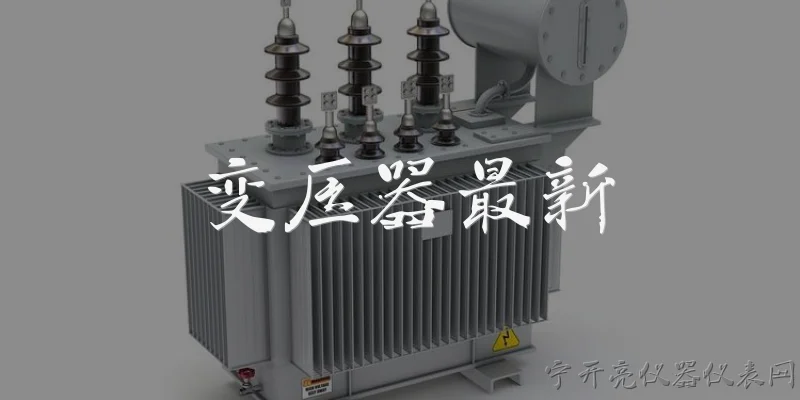
A: An oil-immersed transformer operates on the principle of electromagnetic induction. When alternating current flows through the primary winding, it creates a varying magnetic flux in the laminated steel core, which induces a voltage in the secondary winding according to the turns ratio. The transformer oil serves two key functions: it insulates the windings and dissipates heat generated by copper and core losses. The oil circulates through natural convection or forced cooling, transferring heat to the tank walls and radiators. This design allows reliable operation at high voltages and loads, making oil-immersed units the backbone of power distribution networks worldwide.
Q: How does the cooling system work in an oil-immersed transformer?
A: In an oil-immersed transformer, heat from the windings and core is transferred to the surrounding oil. The heated oil rises through natural convection, flows into radiators or cooling tubes mounted on the tank, and releases heat to the ambient air before returning cooler to the bottom. Larger units use forced cooling methods such as fans (ONAF) or oil pumps (OFAF/ODAF) to increase heat dissipation. The cooling class (e.g., ONAN, ONAF) indicates the method used. Proper cooling maintains oil and winding temperatures within limits, preserving insulation life and preventing thermal degradation during operation.
Q: Why is transformer oil tested during operation, and what parameters are checked?
A: Transformer oil degrades over time due to heat, oxidation, and electrical stress, so routine testing is essential during operation. Key parameters include dielectric strength (breakdown voltage), moisture content, acidity, dissolved gas analysis (DGA), and interfacial tension. DGA is especially important because it detects incipient faults such as arcing, overheating, or partial discharges by analyzing gases like hydrogen, acetylene, and methane dissolved in the oil. Regular oil testing helps predict failures, schedule maintenance, and extend transformer life. Utilities typically follow standards like IEC 60422 or IEEE C57.106 to interpret results and decide on filtration or oil replacement.
Q: What are the main loading limits and temperature limits for oil-immersed transformers?
A: Oil-immersed transformers are designed with specific temperature limits to protect insulation. Typical limits are 65 K average winding rise and 60 K top-oil rise over ambient for standard units, with hotspot temperatures kept below 98–110°C depending on insulation class. Loading guides like IEC 60076-7 or IEEE C57.91 allow short-term overloads based on preloading, ambient temperature, and cooling mode, but sustained overload accelerates insulation aging. Operators monitor top-oil and winding temperatures via gauges and sensors. Exceeding limits risks gas generation, reduced dielectric strength, and premature failure, so load management and cooling maintenance are critical during operation.
Q: What routine maintenance and safety checks are required for operating oil-immersed transformers?
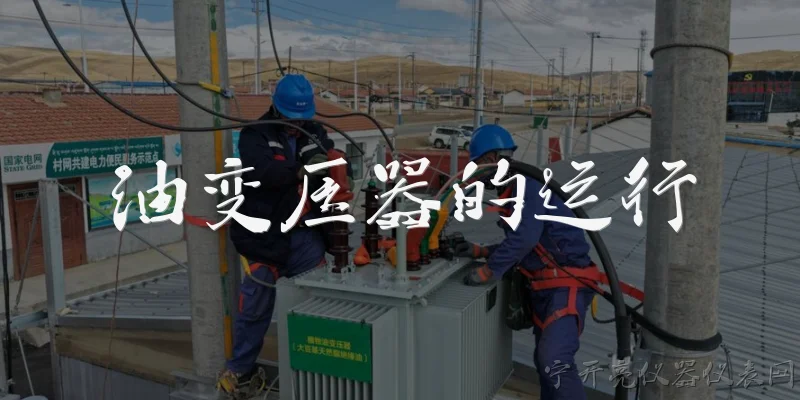
A: Routine operation of oil-immersed transformers requires regular inspections: checking oil level in the conservator, oil and winding temperatures, leaks, silica gel condition in breathers, and pressure relief devices. Buchholz relays should be inspected for gas accumulation, and tap changer oil checked separately. Safety checks include verifying earthing connections, explosion vent integrity, and fire protection systems. Periodic activities include oil sampling, bushing cleaning, tightening connections, and testing protection relays. Operators must also monitor for unusual noise or vibration, which may indicate core or winding issues. Following a documented maintenance schedule per manufacturer and standards ensures safe, reliable service life.
Words of experience
Common scenarios of "Operation of Oil-Immersed Transformers"
【Trainee】 Good morning, Chief Engineer. I'm excited to learn about oil-immersed transformers today. Can you start by explaining what they are and why they're so common in power systems?
【Chief Engineer】 Good morning! Oil-immersed transformers are the workhorses of electrical grids. They use mineral oil for insulation and cooling. The oil helps dissipate heat and prevents arcing. They're common because they're reliable, efficient, and can handle high voltages.
【Trainee】 That makes sense. What are the key components I should be familiar with?
【Chief Engineer】 The core and windings are the heart, but for operation, you need to know the oil conservator, breather, Buchholz relay, cooling radiators, and bushings. Each plays a critical role in safe operation.
【Trainee】 Could you elaborate on the function of the conservator and breather?
【Chief Engineer】 The conservator is a tank that allows oil to expand and contract with temperature changes while keeping the main tank full. The breather contains silica gel to absorb moisture from the air that enters as oil levels change, ensuring only dry air contacts the oil.
【Trainee】 I see. And what about the Buchholz relay? I've heard it's important for protection.
【Chief Engineer】 Absolutely. The Buchholz relay detects gas accumulation or oil flow surges caused by internal faults, like winding shorts. It triggers an alarm for minor faults and trips the transformer for severe ones, preventing catastrophic damage.
【Trainee】 How often should the oil be tested, and what parameters are checked?
【Chief Engineer】 Oil should be tested annually or after any fault. Key tests include dielectric strength, moisture content, acidity, and dissolved gas analysis (DGA). DGA is crucial for early fault detection by analyzing gases like hydrogen, methane, and acetylene.
【Trainee】 What are the typical cooling methods for oil-immersed transformers?
【Chief Engineer】 Common methods are ONAN (oil natural, air natural), ONAF (oil natural, air forced with fans), and OFAF (oil forced, air forced with pumps). The choice depends on the transformer's rating and load profile. Proper cooling ensures the oil and windings stay within temperature limits.
【Trainee】 What are the normal operating temperature limits for the oil and windings?
【Chief Engineer】 Typically, top oil temperature should not exceed 90°C, and winding temperature (measured by resistance or fiber optic sensors) should stay below 110°C to avoid accelerated aging of insulation. Always refer to the manufacturer's specifications.
【Trainee】 How do we monitor these temperatures during operation?
【Chief Engineer】 We use oil temperature indicators (OTI) and winding temperature indicators (WTI) with alarm and trip contacts. Modern transformers also have remote monitoring via SCADA. Regular checks and calibration of these devices are part of routine maintenance.
【Trainee】 What routine maintenance tasks are required for oil-immersed transformers?
【Chief Engineer】 Regular inspections include checking oil level, leaks, breather silica gel condition, cleaning bushings, and verifying cooling fans/pumps. Also, tighten connections, test protection relays, and perform oil tests. Follow the manufacturer's maintenance schedule and industry standards like IEC 60076.
【Trainee】 What safety precautions should be taken when working with these transformers?
【Chief Engineer】 Always de-energize and lock out before maintenance. Use personal protective equipment (PPE), ensure proper grounding, and handle oil carefully as it's flammable. Be aware of arc flash hazards and follow safe work procedures. Training and authorization are essential.
【Trainee】 Thank you, Chief. I feel much more confident about the basics now. Could you summarize the key points for me?
【Chief Engineer】 In summary: oil-immersed transformers rely on oil for insulation and cooling; key components include conservator, breather, Buchholz relay, and cooling systems; monitor temperatures and oil quality regularly; perform routine maintenance; and always prioritize safety. With proper care, they provide decades of reliable service.